Imagine a world where your sales predictions are as accurate as a well-tuned symphony, hitting every note with precision and harmony. This isn’t a distant dream—it’s the reality that CRM software can bring to your sales forecasting. With the right tools at your disposal, you can transform your sales approach from reactive to proactive, anticipating trends before they even emerge and giving your team the competitive edge it needs.
What if you could harness the power of data to not just forecast your sales performance, but to elevate it to new heights? CRM software is your secret weapon, organizing and analyzing your sales data in ways that were once the realm of science fiction. From tracking customer interactions to predicting future sales opportunities, CRM tools are designed to streamline your processes and enhance your predictions, turning uncertainty into insight and potential into profit.
Understanding CRM Software for Sales Forecasting
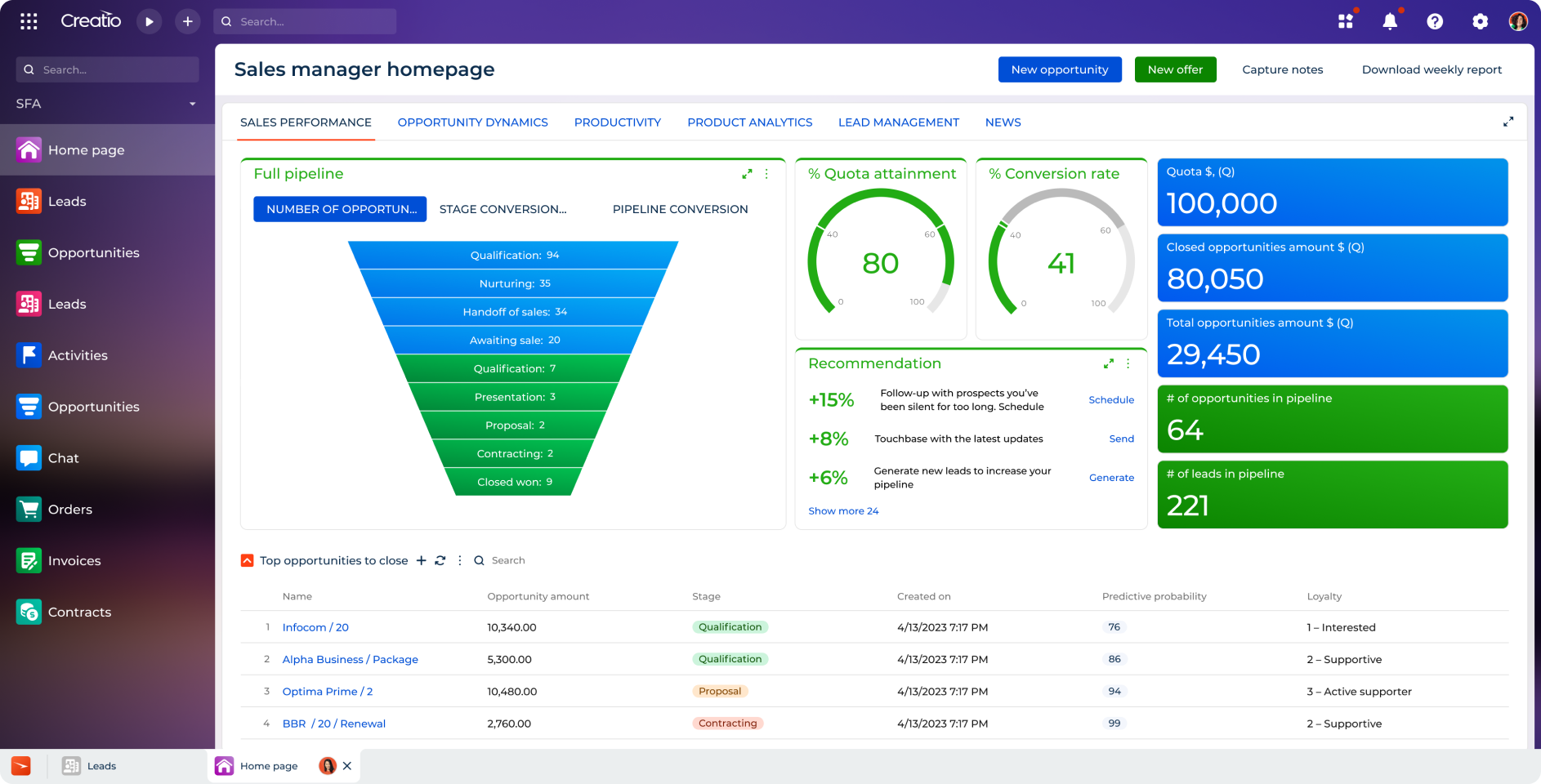
In the dynamic world of sales, anticipating future trends can be the difference between growth and stagnation. That’s where CRM software comes into play, transforming raw data into actionable insights.
CRM software is not just about customer relationship management; it’s a powerful tool to enhance sales forecasting by providing a structured and analytical approach to sales data.
The Role of CRM in Enhancing Sales Forecasting
CRM software serves as the backbone of a data-driven sales strategy. By systematically organizing and managing sales data, it allows businesses to gain predictive insights into future sales patterns. This is achieved through advanced analytics and machine learning algorithms embedded within CRM tools, ensuring that sales forecasts are both accurate and reliable.
CRM Tools for Organizing and Managing Sales Data
At the heart of CRM’s effectiveness is its ability to consolidate and organize data in a manner that makes it easy to analyze and interpret. CRM systems pull data from multiple sources, providing a 360-degree view of customer interactions and sales activities. This comprehensive data management capability enables sales teams to identify trends, track progress, and adjust strategies accordingly.
Features That Aid in Sales Predictions
The predictive power of CRM software lies in its features designed to enhance sales forecasting. For instance, lead scoring evaluates the likelihood of leads converting into sales, while sales pipeline management tracks the progress of deals through various stages. Additionally, dashboard analytics provide visual representations of sales metrics that are crucial for making informed decisions.
Consider the following table which compares CRM functionalities and their impact on sales forecasting:
| CRM Functionality | Impact on Sales Forecasting |
|---|---|
| Lead Scoring | Predicts lead conversion probability, enhancing forecast accuracy. |
| Sales Pipeline Management | Provides visibility into deal stages, improving forecast precision. |
| Dashboard Analytics | Offers visual insights into sales trends, aiding in strategic planning. |
| Data Integration | Combines data sources for a comprehensive view, refining forecast inputs. |
Integration of CRM with Sales Processes
Seamlessly integrating CRM software into your sales processes can be a game-changer, enabling your team to operate at peak efficiency. Let’s explore how this integration can be accomplished effectively to boost your sales forecasting capabilities.
When CRM tools are woven into the tapestry of your existing sales methodology, they don’t just enhance operations; they revolutionize them. By centralizing customer data and automating mundane tasks, CRM software ensures that your sales team can focus on what they do best — selling.
Streamlining Sales Operations with CRM
Integrating CRM into your sales processes can streamline operations in a way that not only saves time but also significantly improves accuracy. CRM systems provide a centralized platform where all customer interactions and sales data are stored, reducing the risk of errors caused by scattered information. This integration allows for real-time data updates, so your sales team has the most current information at their fingertips, facilitating informed decision-making and strategy adjustments on the fly.
Enhancing Team Collaboration and Communication
CRM integration is a catalyst for improved communication and collaboration within sales teams. By providing a shared platform, team members can effortlessly collaborate, share insights, and track the progress of sales deals. This transparency and accessibility empower every team member to contribute to a unified strategy, fostering an environment of shared success. As one user noted,
“Our CRM has turned our sales team into a well-oiled machine, where everyone is on the same page.”
Scenario: Successful CRM Integration Drives Sales
Imagine a mid-sized company struggling to keep track of its sales pipeline. After successfully integrating a CRM system, they noticed a 30% increase in sales conversions within six months. The CRM provided structured data, automated follow-ups, and deeper insights into customer behavior, all of which contributed to more targeted and effective sales strategies. This transformation not only improved outcomes but also boosted team morale, as each member felt more empowered and part of a winning team.
Benefits of CRM in Enhancing Sales Accuracy
Imagine a world where sales expectations align seamlessly with outcomes. This is not just a dream but a reality achieved through the strategic use of CRM software in sales forecasting.
By leveraging CRM, businesses can significantly enhance the accuracy of their sales predictions, transforming uncertainty into opportunity. The power of CRM analytics enables companies to delve deeper into data, extracting insights that elevate forecasting precision.
Key Benefits of Using CRM for Sales Forecasting Accuracy
The use of CRM systems in sales forecasting is a game-changer. Let’s explore the tangible benefits that make this technology indispensable:
- Enhanced Data Quality: CRM systems ensure data is kept current and accurate, which is vital for precise forecasting.
- Integrated Analytics: Combining historical data with predictive analytics, CRM enables more reliable sales projections.
- Improved Sales Strategy: With clear insights, businesses can adjust strategies swiftly to optimize outcomes.
- Automated Reporting: Reduces manual errors and provides real-time insights into sales performance.
CRM Analytics and Precision in Sales Predictions
CRM analytics serve as the beating heart of precise sales forecasting. By employing advanced algorithms and data mining techniques:
Companies can transform raw data into actionable insights, empowering sales teams to make informed decisions.
These insights allow sales teams to identify emerging trends, customer preferences, and potential risks, thus refining their sales strategies.
Comparison of Traditional and CRM-Enhanced Sales Forecasting
To truly appreciate the power of CRM in sales forecasting, consider the following comparison:
| Feature | Traditional Forecasting | CRM-Enhanced Forecasting |
|---|---|---|
| Data Collection | Manual, prone to errors | Automated, accurate |
| Analysis | Limited to historical data | Incorporates real-time analytics |
| Reporting | Static reports | Dynamic and customizable |
| Decision Making | Based on intuition | Data-driven and informed |
CRM Software Selection for Optimal Forecasting
Choosing the right CRM software is crucial for any business aiming to enhance their sales forecasting capabilities. With a multitude of options available, finding the perfect match requires a strategic approach.
In this section, we will delve into the key criteria for selecting CRM software that excels in sales forecasting, explore diverse options, and provide a comprehensive comparison to aid your decision-making process.
Criteria for Selecting CRM Software Focused on Sales Forecasting
When selecting CRM software, it’s essential to focus on several critical criteria to ensure its effectiveness in sales forecasting. First, data integration is vital; the CRM should seamlessly connect with your existing tools to provide a unified data platform. Additionally, forecasting accuracy is a must-have feature, as it directly impacts your sales planning and strategy. Finally, consider the software’s user-friendliness to ensure that your team can easily adopt and utilize it.
Exploring Different CRM Software Options
Various CRM solutions offer unique capabilities that cater to different forecasting needs. For instance, Salesforce is renowned for its robust analytics and AI-driven insights, making it a top contender. Meanwhile, HubSpot offers an intuitive interface and comprehensive reporting features, ideal for small to medium-sized enterprises. Another option, Zoho CRM, provides highly customizable dashboards and advanced automation, offering flexibility for diverse business requirements.
Comparison of CRM Software for Sales Forecasting
Below is a detailed comparison of CRM software options, highlighting their features, benefits, pricing, and scalability:
| CRM Software | Features | Benefits | Pricing | Scalability |
|---|---|---|---|---|
| Salesforce | AI-driven insights, robust analytics | Enhanced forecasting accuracy | $$$ | Highly scalable |
| HubSpot | Intuitive interface, comprehensive reporting | Easy adoption and use | $$ | Scalable for SMEs |
| Zoho CRM | Customizable dashboards, advanced automation | Flexible for diverse needs | $ | Moderately scalable |
Evaluating CRM Software Performance in Sales Forecasting
Once you have shortlisted potential CRM software, it’s crucial to evaluate their performance in sales forecasting. Consider running a trial phase where you can assess the accuracy of the forecasts generated and measure the impact on your sales processes. User feedback during this period is invaluable, as it reflects the software’s real-world applicability and ease of use. Always remember,
“The best CRM is one that not only fits your current needs but also scales as your business grows.”
Challenges and Solutions in CRM-Driven Sales Forecasting
Navigating the complexities of CRM-driven sales forecasting can be daunting for many businesses. Yet, understanding these challenges and implementing effective solutions can transform obstacles into opportunities.
Integrating CRM software into sales forecasting often reveals a myriad of challenges, ranging from data inaccuracies to user resistance. Through a strategic approach, these issues can be addressed to optimize forecast accuracy and drive sales growth.
Data Quality and Consistency Issues
One of the most prevalent challenges is maintaining high-quality and consistent data. Inaccurate data entries and outdated information can severely impact forecasting precision. Implementing a robust data management strategy that includes regular audits and validation checks is essential. Encouraging a culture of meticulous data entry among sales teams ensures that the data feeding into forecasts is reliable and up-to-date.
User Adoption and Engagement
Resistance from sales teams can hinder CRM implementation. To tackle this, businesses must focus on comprehensive training and onboarding programs. By demonstrating the tangible benefits of CRM tools, employees are more likely to embrace change. Additionally, fostering an environment where feedback is encouraged allows for a more personalized and user-friendly CRM experience.
Integration with Existing Systems
Seamless integration of CRM with existing systems can be technically challenging. Ensuring compatibility and smooth data flow between platforms is crucial. Opt for CRM solutions that offer built-in integration capabilities or customizable APIs to facilitate this process. Partnering with experienced IT professionals during setup can also prevent potential integration pitfalls.
Best Practices for CRM Implementation
To effectively address CRM implementation challenges, businesses should adhere to a set of best practices:
- Conduct a thorough needs assessment before selecting a CRM tool.
- Prioritize a user-friendly interface to enhance adoption rates.
- Implement regular training sessions for continuous learning.
- Ensure top management buy-in to lead by example in CRM usage.
- Monitor and measure CRM performance regularly to identify areas for improvement.
“Embrace challenges as opportunities for growth, and let your CRM solutions be the catalyst for sales forecasting success.”
Future Trends in CRM Software and Sales Forecasting
The landscape of CRM software is rapidly evolving, offering exciting new possibilities for sales forecasting. These advancements are reshaping how businesses predict future sales and make strategic decisions.
As technology progresses, new trends are emerging in CRM systems that promise to enhance the accuracy and efficiency of sales forecasts. Businesses that embrace these innovations will likely gain a competitive edge in the marketplace.
Emergence of AI and Machine Learning in CRM
The integration of artificial intelligence (AI) and machine learning (ML) into CRM software is one of the most promising trends. These technologies enable systems to analyze vast amounts of data quickly, identifying patterns and trends that humans might miss. This capability allows for more precise sales predictions, helping companies to allocate resources more effectively and improve their strategic planning. Imagine a CRM tool that learns from past sales data and automatically refines its forecasting models!
Transformative Developments in CRM
Future CRM systems are expected to become even more intuitive and user-friendly, with interfaces that provide deeper insights through advanced data visualization. These developments are set to make sales forecasting more accessible to professionals across all levels of expertise. Innovations such as voice-activated CRM, predictive analytics, and real-time data integration are anticipated to transform the way sales teams use CRM for forecasting.
Revolutionizing Sales Processes with CRM Advancements
With CRM software continuously evolving, we can anticipate a future where sales processes are more dynamic and data-driven. The following are some expected advancements:
- Real-time customer behavior analysis offering immediate insights.
- Improved integration with Internet of Things (IoT) devices for more comprehensive data collection.
- Enhanced mobile CRM solutions for on-the-go forecasting.
- Customization features that tailor CRM tools to specific industry needs.
The integration of these advanced features in CRM software will likely revolutionize how businesses approach sales forecasting, making it more accurate and actionable than ever before.
Closure
CRM software isn’t just a tool—it’s your ally in conquering the sales landscape. As trends evolve and new technologies emerge, the potential for CRM to revolutionize sales forecasting grows even more profound. Whether you’re looking to enhance accuracy, streamline processes, or predict customer behavior, the right CRM solution is the key to unlocking a prosperous future. So, are you ready to embrace the future of sales forecasting with CRM at your side?