In the high-stakes world of startups, where every penny counts and efficiency is king, finding the right CRM solution can be the secret sauce to success. Imagine a tool that not only organizes your customer interactions but also amplifies your business growth without breaking the bank. That’s the magic of cost-effective CRM solutions tailored for startups.
These powerful platforms promise to transform how you manage your relationships, streamline operations, and boost profitability, all while keeping a tight grip on your budget. Join us on a journey through the essentials of choosing and implementing the perfect CRM system designed to propel your startup into the future of business excellence.
Understanding Cost-Effectiveness in CRM Solutions
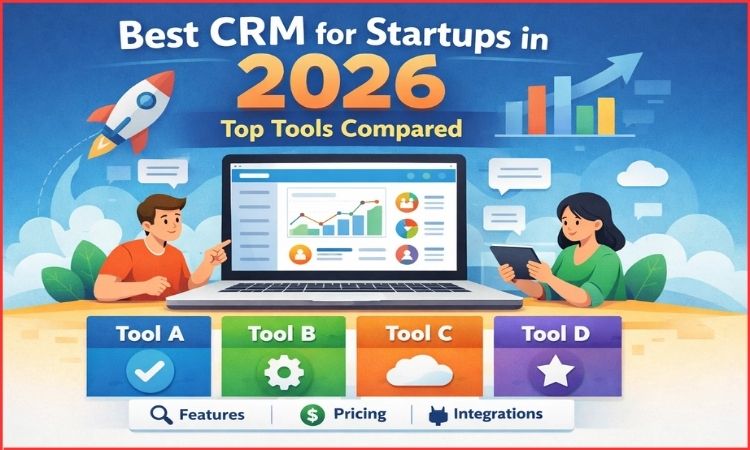
For startups on the rise, investing wisely is the key to sustainable growth. Cost-effectiveness in CRM systems ensures you get the most value out of every dollar spent.
Cost-effectiveness in CRM is about maximizing benefits while minimizing expenses. It’s crucial for startups because it allows them to leverage powerful customer relationship management tools without breaking the bank. By focusing on essential features and avoiding unnecessary extras, startups can maintain lean operations while still providing excellent customer service.
Key Factors Contributing to Cost-Effectiveness
Several factors make a CRM solution cost-effective. One major factor is scalability. As your startup grows, your CRM should be able to expand without incurring excessive costs. Another critical factor is integration capabilities. A CRM that seamlessly integrates with existing tools saves time and reduces the need for additional resources. Moreover, user-friendliness can cut down on training costs and improve productivity right away.
- Scalability
- Integration Capabilities
- User-Friendliness
Balancing Cost and Functionality
When selecting a CRM, startups must balance cost and functionality. The cheapest option isn’t always the most cost-effective if it lacks crucial features. Instead, look for solutions that provide essential functionalities without unnecessary bells and whistles. A well-balanced CRM should offer robust features like contact management, sales automation, and analytics while keeping costs in check.
| Cost | Functionality | Considerations |
|---|---|---|
| Low | Basic | Suitable for small teams |
| Moderate | Advanced | Offers crucial integrations |
| High | Comprehensive | Best for rapid scaling |
A cost-effective CRM solution empowers startups, enabling them to serve customers efficiently while maximizing resource allocation.
Features of Cost-Effective CRM Solutions for Startups
In an era where efficiency meets innovation, startups need CRM solutions that offer maximum impact with minimal expense. By focusing on cost-effective features, startups can streamline their operations and drive growth without breaking the bank.
Choosing the right CRM involves understanding not only what features are available but how they directly contribute to operational success. Here, we explore essential features tailored for startup environments, offering both functionality and affordability.
Essential CRM Features to Drive Startup Success
For startups, it’s crucial to equip themselves with a CRM solution that covers all vital aspects without unnecessary complexity. Here are some non-negotiable features every cost-conscious CRM should offer:
- Contact Management: Centralize all customer information in one accessible place to bolster communication and service quality.
- Sales Pipeline Tracking: Visualize and manage your sales processes effectively to ensure no opportunity is missed.
- Email Integration: Seamlessly connect your CRM with email platforms to streamline correspondence and improve response rates.
- Task Automation: Automate repetitive tasks to save time and reduce human error, allowing teams to focus on strategic activities.
- Reporting and Analytics: Provide insights into sales trends and customer behavior, helping to make informed business decisions.
These features not only enhance operational efficiency but also play a pivotal role in reducing costs by optimizing workforce productivity and enhancing service delivery.
Impact of CRM Features on Cost Management
Understanding how each feature contributes to cost management is vital for startups aiming to maximize their limited resources. Below is a comparison table highlighting how these CRM features impact costs:
| Feature | Functionality | Impact on Costs | Startup Benefit |
|---|---|---|---|
| Contact Management | Centralizes customer data | Reduces data storage and retrieval costs | Improves customer relationship management |
| Sales Pipeline Tracking | Manages sales processes | Minimizes lost sales opportunities | Increases revenue potential |
| Email Integration | Connects CRM with email platforms | Decreases time spent on manual email handling | Enhances communication efficiency |
| Task Automation | Automates routine tasks | Reduces labor costs and errors | Frees up time for strategic initiatives |
| Reporting and Analytics | Generates business insights | Helps in identifying cost-saving opportunities | Supports informed decision-making |
“Leverage CRM features to not just survive, but thrive in a competitive market.”
Popular Cost-Effective CRM Solutions
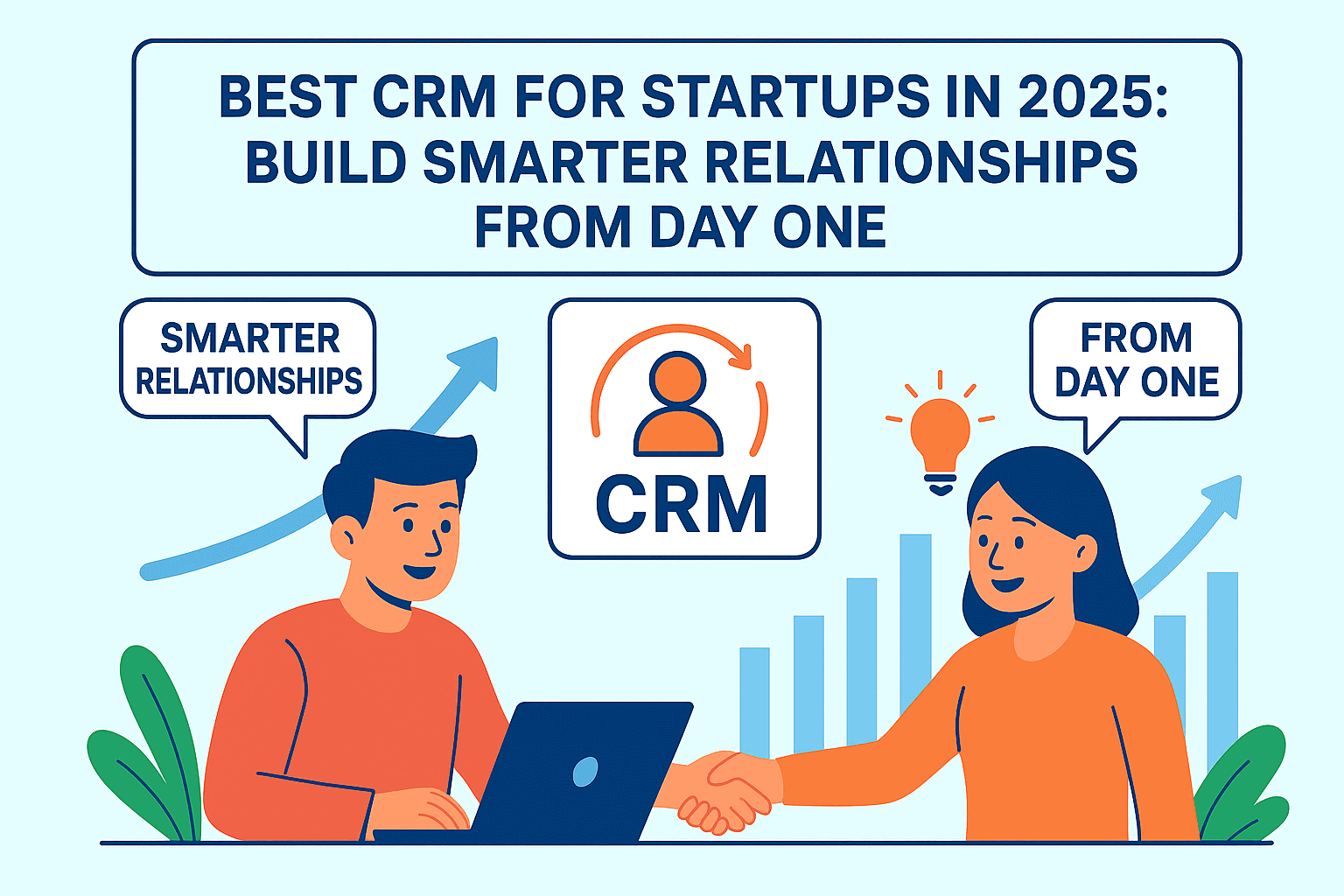
In the bustling world of startups, efficiency and affordability go hand-in-hand, especially when it comes to managing customer relationships. The right CRM can propel your startup toward success without breaking the bank.
Let’s dive into some of the most popular cost-effective CRM solutions that are designed specifically to cater to the needs and budget constraints of startups. These solutions are crafted to empower your team, boost productivity, and enhance customer satisfaction.
Leading Cost-Effective CRM Solutions for Startups
Here is an overview of popular CRM solutions that stand out not only for their affordability but also for their robust features tailored for startups.
- HubSpot CRM:
- Pros: Free for unlimited users, intuitive interface, integrates seamlessly with marketing tools.
- Cons: Limited advanced features in the free version, higher-tier plans can get expensive.
- Zoho CRM:
- Pros: Highly customizable, extensive feature set, affordable pricing tiers.
- Cons: Can be complex for beginners, customer support has room for improvement.
- Freshsales:
- Pros: AI-driven insights, excellent contact management, affordable starting plan.
- Cons: Some features are only available in higher plans, limited third-party integrations.
To further assist in your decision-making process, here is a comparative table highlighting key aspects of these solutions:
| CRM Solution | Pricing | Key Features | Scalability |
|---|---|---|---|
| HubSpot CRM | Free to $50/user/month | Lead and contact management, Email tracking, Pipeline management | Highly scalable with premium features |
| Zoho CRM | $12 to $35/user/month | Sales automation, Analytics, Artificial Intelligence | Scalable with customizable features |
| Freshsales | $15 to $69/user/month | AI-based lead scoring, Built-in phone, Visual sales pipeline | Scalable with advanced sales features |
“Choosing the right CRM is not just about affordability; it’s about finding the perfect partner to grow with your startup.”
Strategies for Implementing a CRM Solution on a Budget

Embarking on the journey of integrating a CRM solution doesn’t have to break the bank. By adopting strategic measures, startups can enjoy the benefits of CRM without financial strain.
Understanding how to implement CRM solutions cost-effectively involves a combination of smart customization and efficient use of existing resources. Here, we delve into the methods that can align with your budgetary constraints.
Effective Budget Allocation for CRM Implementation
Allocating a budget wisely is the cornerstone of cost-effective CRM implementation. Start with a clear understanding of your business needs and prioritize features that deliver the most value.
- Identify core functionalities that are essential for your operations.
- Set a realistic budget by analyzing your financial capabilities and future projections.
- Explore open-source CRM options that offer flexibility without subscription fees.
Customizing CRM Platforms for Maximum Value
Customization doesn’t always require a hefty price tag. It involves smart tweaks that tailor the CRM to your specific needs. By doing so, you not only save money but also enhance operational efficiency.
Begin by:
- Leveraging built-in tools of the CRM to adjust layouts, reports, and dashboards.
- Creating automated workflows that reduce manual efforts and errors.
- Utilizing community support and forums for free advice and troubleshooting.
Step-by-Step Guide to Cost-Efficient CRM Integration
Implementing a CRM on a limited budget requires a well-structured plan. Here’s a step-by-step procedure to guide your integration process:
- Assessment: Analyze your current processes to identify CRM requirements.
- Selection: Choose a CRM solution that meets your basic needs with room for expansion.
- Trial: Use free trials to test functionalities before committing financially.
- Training: Opt for in-house training sessions to minimize external consultant costs.
- Incremental Deployment: Roll out the CRM in phases to manage costs and ensure a smooth transition.
- Feedback Loop: Continuously gather user feedback to optimize the CRM system and address any issues promptly.
“Remember, a cost-effective CRM strategy is a balance between affordability and functionality. Prioritize wisely to ensure a successful implementation!”
Evaluating CRM Cost-Effectiveness Over Time
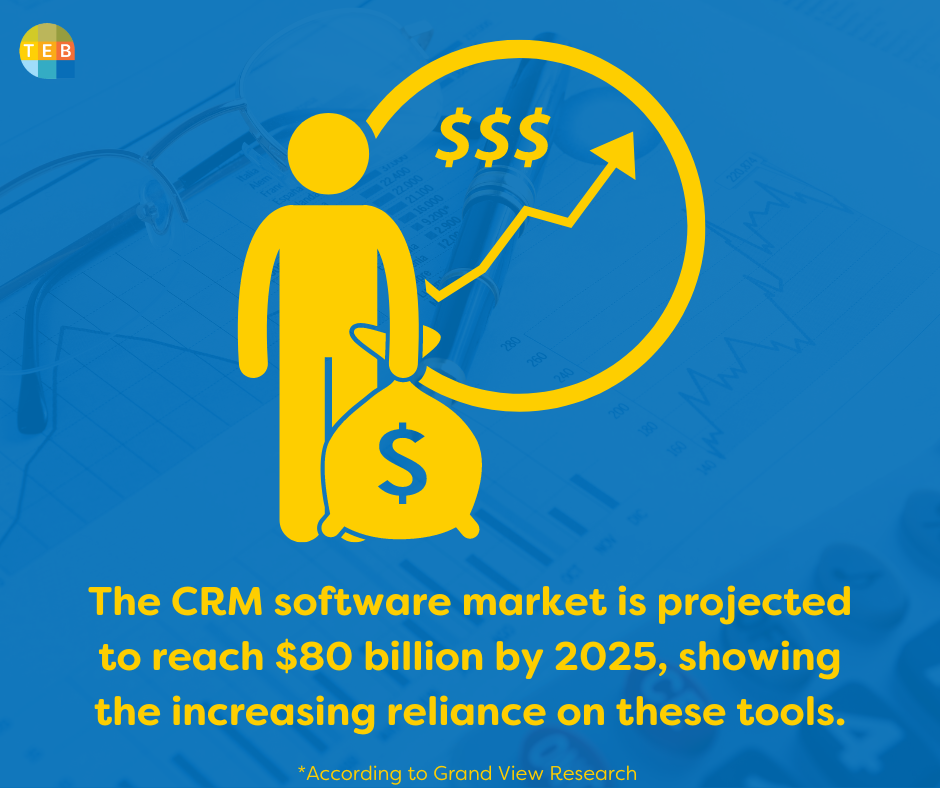
Once your startup has implemented a cost-effective CRM solution, the journey doesn’t end there. Evaluating its effectiveness over time ensures that you are getting the best bang for your buck while aligning with your evolving business needs.
This involves a continuous process of assessment and adjustment, ensuring that your CRM system remains a valuable asset rather than a sunk cost. Let’s delve into how you can effectively evaluate your CRM’s cost-effectiveness.
Process of Regular Evaluation
To ensure your CRM system remains cost-effective, it’s essential to establish a routine evaluation process. Begin by setting up quarterly reviews to assess performance metrics and user feedback. This allows your team to identify trends, address emerging issues, and optimize usage.
- Conduct surveys with users to gauge satisfaction and identify areas for improvement.
- Analyze customer data to evaluate the CRM’s impact on sales and customer retention.
- Review integration with other tools and software to determine ongoing compatibility and efficiency.
Metrics for Measuring Effectiveness and Cost Benefits
To quantify the cost-effectiveness of your CRM, consider the following metrics:
| Metric | Description |
|---|---|
| Customer Acquisition Cost (CAC) | Measure the cost of acquiring a new customer and assess if the CRM helps lower this figure. |
| Customer Lifetime Value (CLV) | Evaluate if the CRM contributes to an increase in the average revenue generated per customer. |
| Return on Investment (ROI) | Calculate the financial return of the CRM relative to its costs. |
One startup saw a 15% increase in customer retention within six months of implementing a new CRM system, which significantly improved their overall ROI, demonstrating the importance of regular evaluations.
Case Studies of Successful CRM Evaluations
Exploring real-world examples can provide valuable insights into effective CRM evaluations. For instance, Startup A, a growing e-commerce platform, established a structured evaluation framework that led to significant improvements.
By adopting a bi-annual assessment schedule, Startup A increased sales team productivity by 20% and reduced operational costs by 10%, making their CRM an indispensable tool for scaling their operations efficiently.
Such examples illustrate that with the right evaluation strategy, startups can maintain a cost-effective CRM that grows alongside their business.
Future Trends in Cost-Effective CRM Solutions
In the ever-evolving landscape of Customer Relationship Management (CRM) systems, cost-effectiveness remains a pivotal concern for startups. As technology advances, new trends are emerging that promise to reshape how these businesses approach their CRM strategies, focusing not just on affordability but also on enhanced functionality.
Let’s delve into the exciting future trends that are likely to make CRM solutions more accessible and affordable for startups, ensuring they remain competitive in the market without breaking the bank.
Artificial Intelligence and Automation
The integration of artificial intelligence (AI) and automation into CRM systems is revolutionizing the way businesses manage customer relationships. AI-driven solutions are enabling startups to automate repetitive tasks, thus reducing the need for extensive human resources. This not only cuts down operational costs but also enhances efficiency.
As AI technology becomes more advanced and accessible, we can expect to see CRM systems that offer predictive analytics and personalized customer interactions without the hefty price tag. Startups can leverage these capabilities to gain deeper insights into customer behaviors and preferences, leading to more cost-effective marketing strategies.
Cloud-Based Solutions
The shift towards cloud-based CRM solutions is another trend making waves in the industry. These solutions eliminate the need for costly hardware installations and maintenance, offering startups the flexibility to scale their operations as needed. By choosing cloud-based systems, startups can access advanced CRM functionalities without large upfront investments, paying only for the resources they use.
The cloud also offers enhanced data security and accessibility, ensuring that startups can maintain robust customer databases while minimizing costs associated with data management and protection.
Integration with Social Media
Social media platforms are becoming increasingly integral to CRM strategies. The trend towards integrating CRM solutions with social media tools is providing startups with unique opportunities to engage with customers and harness valuable data. This integration allows businesses to track customer interactions across multiple channels, offering a comprehensive view of customer behavior at a fraction of the cost of traditional methods.
By utilizing social media analytics, startups can craft targeted marketing strategies that resonate with their audience, driving engagement and sales while maintaining a watchful eye on their budget.
Subscription-Based Pricing Models
A significant shift in the CRM industry is the move towards subscription-based pricing models. These models are particularly beneficial for startups, allowing them to access cutting-edge CRM technologies without committing to large capital expenditures. By opting for monthly or annual subscriptions, startups can better manage their cash flow, investing in other areas of growth while still benefiting from sophisticated CRM solutions.
Subscription models also offer the advantage of regular updates and support, ensuring that startups always have access to the latest features and security enhancements.
Conclusion

As we venture into a future where innovation and efficiency go hand-in-hand, the right CRM solution can be your startup’s best ally in conquering the market. Embrace the power of cost-effective CRM solutions to not only thrive but to lead. With the insights and strategies presented, your startup is poised to make smarter, more informed decisions that set the stage for lasting success. Remember, in the world of business, it’s not just about keeping up with the trends but setting them. So, gear up and let your CRM solution be the wind beneath your wings.