In today’s fast-paced digital world, customer relationship management (CRM) software has evolved beyond traditional desktop applications. Now, with robust mobile app support, CRM solutions are more versatile than ever, allowing businesses to connect with their customers anytime, anywhere. Imagine having the power to manage customer relationships at your fingertips, while on the go. That’s the magic of CRM software with mobile app support.
This transformation isn’t just a technological upgrade; it’s a strategic advantage. By integrating mobile capabilities, businesses across industries can enhance their CRM functionalities, offering unparalleled convenience and flexibility. Whether you’re in retail, finance, or healthcare, the benefits of mobile CRM are undeniable. Let’s dive deeper into how this innovation is reshaping customer engagement and driving business success.
Benefits of CRM Software with Mobile App Support

In the fast-paced world of business, staying connected and informed is crucial. Customer Relationship Management (CRM) software with mobile app support provides a flexible and efficient way to manage client interactions on the go.
The integration of mobile app support into CRM solutions transforms how companies operate, allowing teams to access crucial data and insights anytime, anywhere. This enhanced functionality helps businesses stay competitive and responsive to customer needs.
Industries Thriving with CRM Mobile Integration
With mobile CRM, businesses are no longer chained to their desks. Industries across the spectrum are harnessing this powerful tool to boost productivity and customer engagement. Here are some examples:
- Real Estate: Agents can update listings and contact clients directly from their smartphones.
- Healthcare: Professionals access patient records securely, ensuring timely care.
- Retail: Sales teams track inventory and personalize customer experiences on the fly.
- Field Services: Technicians receive updates and manage schedules efficiently while on-site.
Mobile Access: A Game-Changer in CRM
The advent of mobile technology in CRM is a revolutionary leap forward in managing customer relationships. It amplifies the ability to deliver personalized customer experiences by providing immediate access to customer data, even when outside the traditional office environment.
Imagine being able to capture leads, update contact information, and nurture client relationships—all from a mobile device. Mobile CRM allows for seamless communication and
puts critical information at your fingertips
, empowering your team to make informed decisions swiftly.
Key Features to Look for in CRM Mobile Apps
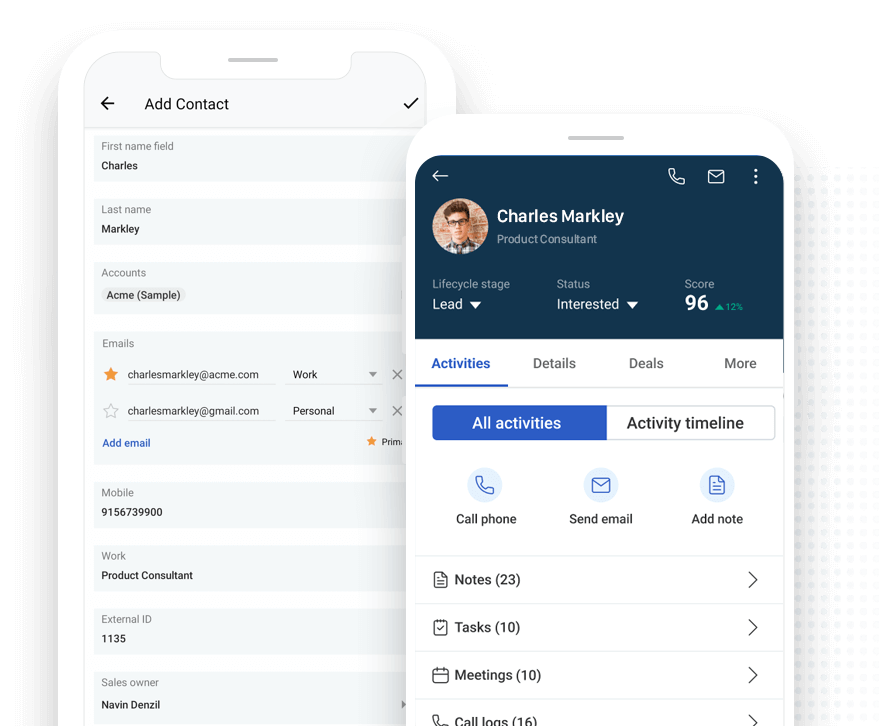
In the fast-paced world of business, having access to your CRM software on a mobile device is no longer a luxury—it’s a necessity. In this digital era, it’s crucial to know which features can truly empower your team and enhance productivity when on the go.
From seamless contact management to robust analytics, the right CRM mobile app can transform how you connect with your customers and manage your sales pipeline. But what should you really be looking for in these apps?
Essential Features of CRM Mobile Apps
When evaluating CRM mobile apps, certain features should be at the top of your list. Look for real-time data synchronization to ensure your team always has the latest information. Offline access is also important, allowing users to work without interruption even when they’re not connected to the internet.
Additionally, ensure the app offers customizable dashboards that let you tailor the user experience to your business’s specific needs. Don’t forget the importance of push notifications for timely updates and reminders, helping you never miss a beat.
User Interface Considerations for Mobile CRM Applications
Design and usability are crucial when it comes to mobile apps. A well-designed user interface (UI) can significantly enhance user experience and productivity. Let’s explore some key UI considerations.
| Feature | Importance | Best Practices |
|---|---|---|
| Intuitive Navigation | High | Ensure easy access to core functionalities with minimal clicks. |
| Responsive Design | Medium | Adopt a design that works seamlessly on different devices and screen sizes. |
| Minimalist Aesthetic | Medium | Use clean design elements to reduce cognitive load and improve focus. |
| Accessible Features | High | Incorporate accessibility options like voice commands and screen readers. |
“A user-friendly interface is not just an addition; it’s a necessity for maximizing CRM efficiency on mobile devices.”
Comparison of CRM Mobile App Features Across Popular Platforms
Choosing the right CRM mobile app also means considering the variety of features offered by different platforms. Here’s a comparison to guide your decision.
| Platform | Feature Set | User Feedback |
|---|---|---|
| Salesforce Mobile | Comprehensive with AI integration, robust analytics, and extensive customization | Highly rated for its breadth of features and ease of use |
| HubSpot Mobile | Strong in marketing automation and customer engagement tools | Praised for its intuitive interface and seamless integration with desktop |
| Zoho CRM Mobile | Offers a wide range of functionalities including sales tracking and task management | Valued for its affordability and range of features compared to competitors |
Keep these features in mind as you explore CRM mobile apps to ensure you select a solution that meets your business needs while providing a seamless, user-friendly experience.
Integration Capabilities of CRM Mobile Applications

In today’s fast-paced business landscape, seamless integration capabilities define the true potential of CRM mobile applications. Empowering organizations to connect various business tools, CRM apps serve as the central nervous system, ensuring data flows effortlessly and operations stay synchronized.
CRM mobile applications present a seamless bridge to connect your existing business tools and platforms, creating a unified ecosystem. The ability to integrate with other systems not only enhances functionality but also streamlines workflows, reducing redundancies and manual entry errors.
API and Third-Party App Support in CRM Mobile Solutions
One of the standout features of CRM mobile applications is their robust API and third-party app support. This empowers businesses to expand the capabilities of their CRM beyond its default offerings. APIs, or Application Programming Interfaces, are like digital highways, allowing different software applications to communicate and share data efficiently. This forms the backbone of a dynamic business environment where information moves freely across platforms.
With third-party app support, businesses can:
- Integrate with popular productivity tools like Slack, Microsoft Teams, and Google Workspace, ensuring your team stays connected and informed.
- Connect with e-commerce platforms such as Shopify and WooCommerce, keeping customer data centralized and up-to-date.
- Link with accounting software like QuickBooks or Xero, facilitating seamless financial data management.
Organizing Integration Methods for Maximum Efficiency
To harness the full potential of CRM mobile applications’ integration capabilities, it is crucial to organize integration methods effectively. Here are some strategies:
- Identify core applications that are critical to your business processes and prioritize their integration.
- Utilize middleware platforms like Zapier or Integromat to automate workflows and connect applications without complex coding.
- Leverage native integrations provided by the CRM vendor, which often offer more stable and efficient connections.
- Regularly review and update integrations to accommodate software updates and evolving business needs.
“Effective integration is the key to unlocking the full potential of CRM mobile applications, transforming them into powerful business enablers.”
Security Measures in CRM Software with Mobile Support
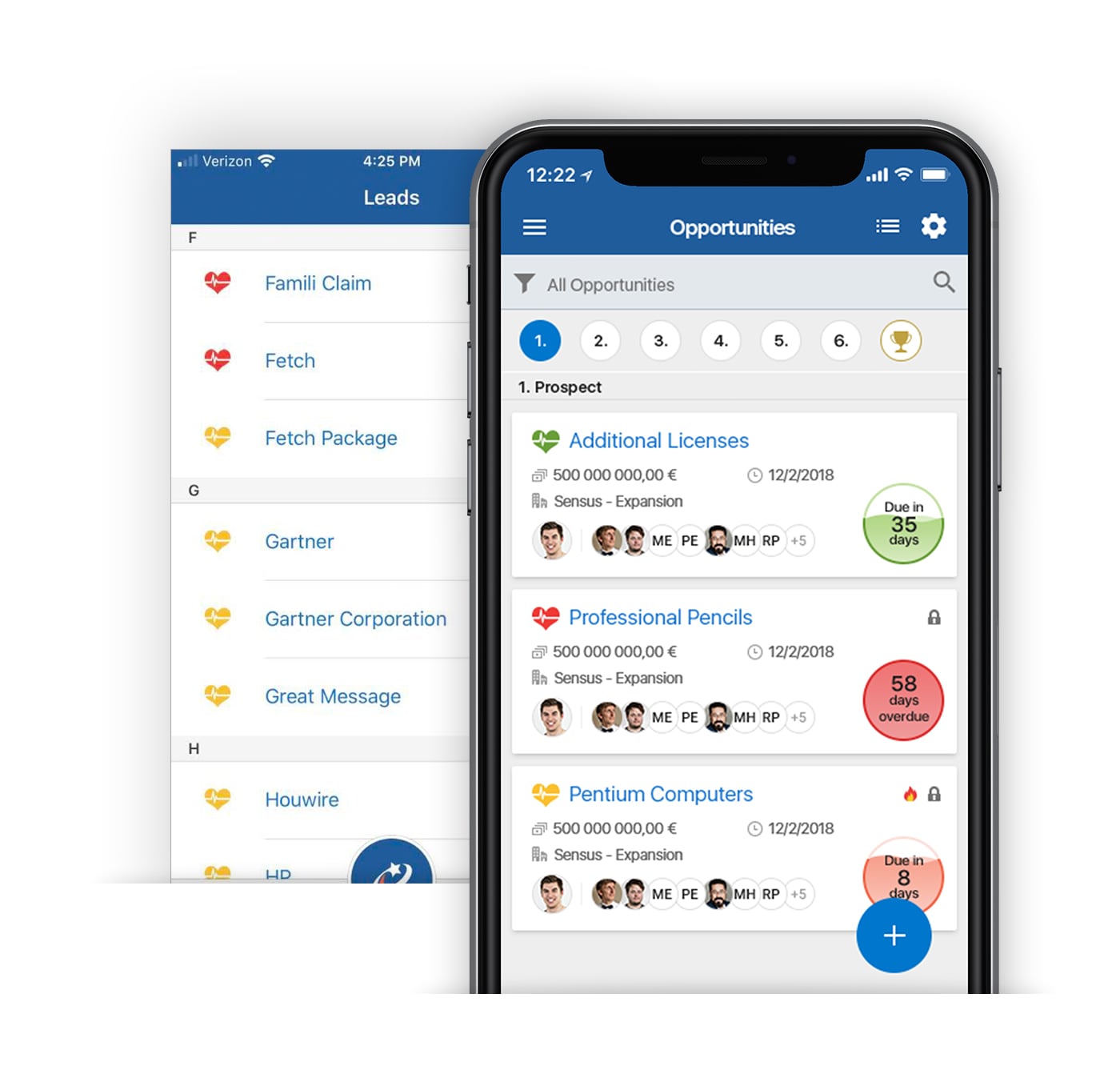
In an era where data breaches and cyber threats are increasingly prevalent, securing customer information is paramount for businesses leveraging CRM software with mobile support. A comprehensive approach to security ensures that sensitive data remains protected, even when accessed via mobile devices.
CRM mobile applications are designed with robust security protocols to safeguard critical business and customer information. These protocols not only prevent unauthorized access but also ensure data integrity and confidentiality, thereby maintaining trust between businesses and their clients.
Robust Security Protocols in CRM Mobile Applications
Leading CRM mobile applications employ a range of security protocols to protect data. This includes user authentication via multi-factor authentication (MFA), which adds an additional layer of security by requiring more than just a password to access the system. Furthermore, role-based access controls ensure that only authorized personnel can view or modify sensitive information. This approach minimizes the risk of internal data leaks.
Another critical component of CRM mobile security is data encryption. As data travels between mobile devices and servers, encryption scrambles the information to make it unreadable to anyone who might intercept it. In the words of security experts:
“Encryption is not just a component of security; it’s the cornerstone of protecting sensitive information in the digital age.”
Comparison of Security Features in Leading CRM Mobile Apps
Different CRM mobile applications offer varying levels of security features. Understanding these differences can help businesses choose the right solution to meet their specific needs.
| CRM Mobile App | Security Feature | Description |
|---|---|---|
| App A | End-to-End Encryption | Ensures that data is encrypted from sender to recipient without intermediary access. |
| App B | Multi-Factor Authentication | Provides an additional layer of security by requiring multiple forms of verification. |
| App C | Role-Based Access Control | Limits data access to authorized users based on their role within the organization. |
User Experience Design in CRM Mobile Apps

The design of a CRM mobile app is a critical factor in ensuring its effectiveness, usability, and user satisfaction. A well-crafted user interface can enhance productivity and make complex tasks seem seamless.
Understanding and implementing effective design guidelines ensures that users can interact with CRM systems intuitively and efficiently. By focusing on user-centered design principles, CRM mobile apps can offer a harmonious blend of functionality and aesthetics.
Design Guidelines for an Effective CRM Mobile App User Experience
Creating an exceptional user experience in CRM mobile apps starts with adhering to established design guidelines that prioritize user needs and ease of use. These guidelines are fundamental in crafting an app that is both intuitive and engaging.
Key elements of effective design include:
- Consistency: Consistent use of colors, fonts, and icons helps users navigate the app effortlessly.
- Simplicity: Minimizing clutter and focusing on essential features keeps the interface user-friendly.
- Accessibility: Ensuring the app is usable for individuals with disabilities broadens its reach and usability.
- Feedback: Providing immediate feedback for user actions enhances the sense of control and satisfaction.
Impact of Responsive Design on Mobile CRM Usability
Responsive design is more than a trend; it’s a necessity in today’s mobile-first world. It ensures that CRM apps are equally functional and visually appealing on various devices, from smartphones to tablets.
A responsive CRM mobile app:
- Optimizes Screen Real Estate: Ensures that content is displayed appropriately, regardless of screen size.
- Enhances User Engagement: Users who have a consistent experience across devices are more likely to remain engaged and satisfied.
- Reduces Development Time: A single responsive design cuts down the need for creating multiple versions for different devices.
User Feedback Mechanisms within CRM Mobile Apps
Incorporating user feedback mechanisms is crucial for the ongoing improvement of CRM mobile apps. These tools provide valuable insights into user behavior and preferences, guiding future enhancements.
Common feedback mechanisms include:
- User Surveys: Quick surveys can capture user satisfaction and areas for improvement.
- In-App Ratings: Simple star ratings for features or overall app experience.
- Interactive Prototypes: Allow users to test new features and provide input before full deployment.
- Feedback Forms: Enable users to submit detailed suggestions or report issues directly within the app.
“A well-designed mobile app is not just a product; it’s an experience.”
Future Trends in CRM Mobile App Development
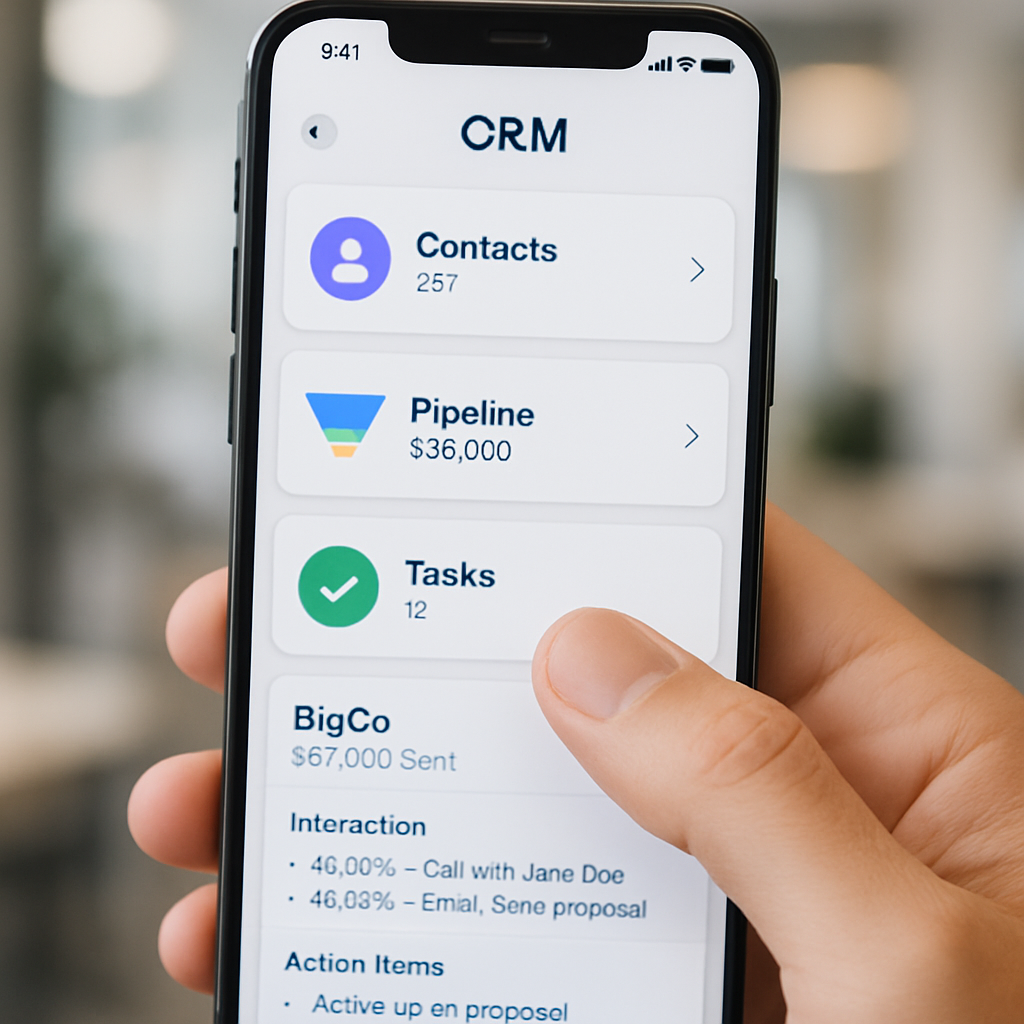
The realm of CRM mobile app development is rapidly evolving, setting the stage for groundbreaking innovations. As businesses strive to offer seamless customer interactions, the integration of cutting-edge technologies will be pivotal.
With the emergence of new digital capabilities, CRM mobile apps are poised to transform customer relationship management into an experience that is not only efficient but also deeply personalized.
Advancements in AI and Machine Learning
The future of CRM mobile apps is inherently linked to advancements in AI and machine learning. These technologies are set to redefine how businesses interact with customers, offering predictive insights and automating routine tasks. Imagine a CRM mobile app that not only logs customer interactions but also anticipates their needs and suggests proactive solutions.
For instance, AI-driven analytics can help identify patterns in customer behavior, enabling businesses to tailor their offerings with unprecedented precision. Machine learning algorithms can refine these insights over time, ensuring that the CRM system evolves alongside customer expectations. This synergy will empower businesses to deliver
hyper-personalized customer experiences
, significantly boosting engagement and satisfaction.
Innovations to Enhance Customer Engagement
As CRM mobile apps evolve, they will introduce innovative features designed to enhance customer engagement. These could include the use of augmented reality (AR) to provide interactive product demonstrations or virtual showrooms, allowing customers to experience products in a more immersive way.
Moreover, integration with social media platforms will become more seamless, enabling businesses to capture and act on social signals in real-time. This will open new avenues for engaging with customers, fostering a more connected and responsive relationship. Additionally, chatbots powered by natural language processing (NLP) will become more sophisticated, providing instant and accurate responses to customer inquiries, thus reducing response times and improving satisfaction.
Closure

As we look to the future, the possibilities with CRM software and mobile app support are endless. From AI-driven analytics to seamless integrations with other business tools, the innovation in this space is set to redefine how businesses interact with their customers. Embracing these advancements ensures not just survival, but a thriving presence in a competitive marketplace. So, are you ready to elevate your customer relationship management with the power of mobile support?