In today’s fast-paced digital world, the heart of exceptional customer service lies in the seamless integration of technology and personalized attention. Enter CRM software—your gateway to understanding, delighting, and retaining your customers like never before. But with countless options on the market, how do you choose the best CRM software for customer service that perfectly aligns with your business needs? Let’s embark on a captivating journey to unravel the secrets of leading CRM solutions that promise to elevate your customer interactions to new heights.
Imagine having the power to anticipate your customer’s needs, resolve issues before they arise, and build lasting relationships all at the click of a button. This is not just a dream—it’s the reality of modern CRM software. Whether you’re a thriving startup or a well-established enterprise, integrating the right CRM system can be a game-changer, transforming your customer service into a competitive edge. Let’s dive into the world of CRM, where innovation meets efficiency, and discover how you can harness its full potential.
Understanding CRM Software for Customer Service
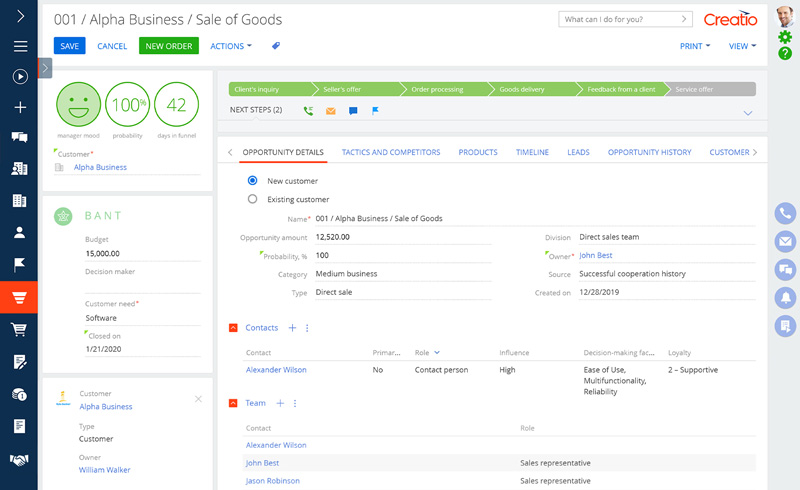
Whether you’re managing a small team or orchestrating a large-scale operation, CRM software is the backbone of effective customer service. It’s no longer just a tool—it’s the lifeline that connects you to your customers.
By allowing businesses to store, manage, and track customer interactions, CRM software dramatically enhances how service teams operate. This isn’t merely about solving problems; it’s about creating lasting relationships and fostering loyalty.
Core Functionalities of CRM Software
At their heart, CRM systems are built to handle customer data management, offering a centralized repository of customer profiles that your team can access and update with ease. This means comprehensive insights into customer histories, preferences, and purchase patterns are just a click away.
Moreover, CRM tools streamline communication channels, integrating emails, calls, and even social media interactions into one platform. By doing so, they ensure no query goes unanswered. Automation features such as ticketing systems and AI-driven chatbots further enhance efficiency, allowing your team to focus on complex issues that require a human touch.
Evolution of CRM Tools in Customer Service
Customer Relationship Management has come a long way from its humble beginnings. Initially, these systems were simplistic databases. However, as businesses realized the importance of customer-centric strategies, CRM software evolved into sophisticated, feature-rich platforms.
Over the decades, advancements in technology have driven this evolution. The shift from on-premises solutions to cloud-based platforms has democratized access, enabling businesses of all sizes to harness the power of CRM without prohibitive costs. Today’s CRM tools are not just about managing business contacts—they are dynamic ecosystems that support sales, marketing, and service functions comprehensively.
Benefits of Integrating CRM Software
Integrating CRM software into your customer service operations can transform how you engage with your clientele. The benefits are manifold:
- Enhanced Customer Insights: With a 360-degree view of your customers, your team can anticipate needs and tailor interactions effectively.
- Increased Efficiency: Automation and streamlined workflows reduce response times, leading to faster issue resolution.
- Improved Customer Satisfaction: Personalized service fosters loyalty and enhances the overall customer experience.
- Data-Driven Decisions: Analytics and reporting tools provide actionable insights that drive strategic decisions.
Factors Influencing CRM Selection
Choosing the right CRM software for your customer service needs involves several considerations. Here’s a closer look at what you should evaluate:
| Factor | Consideration |
|---|---|
| Scalability | Does the software grow with your business? |
| Integration Capabilities | How well does it work with existing systems? |
| User-Friendliness | Is the interface intuitive for your team? |
| Cost | Are the pricing models flexible and within your budget? |
“The right CRM can transform customer service from a cost center into a value generator.”
Key Features of Top CRM Software Solutions

In the quest to deliver impeccable customer service, businesses must choose CRM software that is equipped with crucial features. These features not only streamline operations but also enhance the overall customer experience.
Understanding the strengths of each CRM software can drive your customer service team towards success, ensuring satisfaction and fostering loyalty.
Essential Features for Efficient Customer Service
To excel in customer service, CRM software must offer a suite of essential features that empower teams to engage effectively with customers. These features are indispensable for managing interactions, tracking customer history, and providing personalized service.
- Omnichannel Communication: Seamless integration across multiple channels including email, chat, and social media.
- Automated Workflow: Enhances efficiency by automating repetitive tasks and processes.
- Analytics and Reporting: Provides insights into customer behavior and service performance.
- Customer Database: Centralized storage for customer information accessible to all service agents.
Comparative Analysis of CRM Software Customer Service Capabilities
Different CRM software offers varied capabilities. Here’s how two leading solutions stack up in key customer service features:
| Feature | Benefit | Software A | Software B |
|---|---|---|---|
| Omnichannel Support | Streamlines communication across platforms | Yes | Yes |
| Automated Ticketing | Reduces response time and improves efficiency | Yes | No |
| AI-Powered Analytics | Delivers actionable insights for proactive service | Advanced | Basic |
| Integration Capabilities | Ensures seamless connection with other tools | Extensive | Limited |
Advanced Features for Service-Centric Industries
For industries focused on service, advanced CRM features can significantly enhance customer relationship management. These features address specific challenges and opportunities present in service-centric environments.
- AI Chatbots: Automate customer interactions while maintaining a personalized touch.
- Sentiment Analysis: Analyze customer emotions to tailor responses and improve satisfaction.
- Service Level Agreements (SLAs) Tracking: Monitor service commitments to ensure compliance and accountability.
- Feedback and Survey Tools: Gather customer insights to continuously improve services.
Features Driving Customer Satisfaction and Loyalty
Ultimately, the goal is to build loyalty and satisfaction. Incorporating specific features can greatly influence customer perceptions and experiences:
- Personalization: Tailor interactions based on customer history and preferences.
- Real-Time Assistance: Offer immediate support through live chat and co-browsing tools.
- Proactive Support: Address issues before they escalate with predictive intelligence.
- Community Forums: Engage customers in knowledge sharing and support.
“A well-equipped CRM software turns customer service into a competitive advantage.”
Leading CRM Software Providers
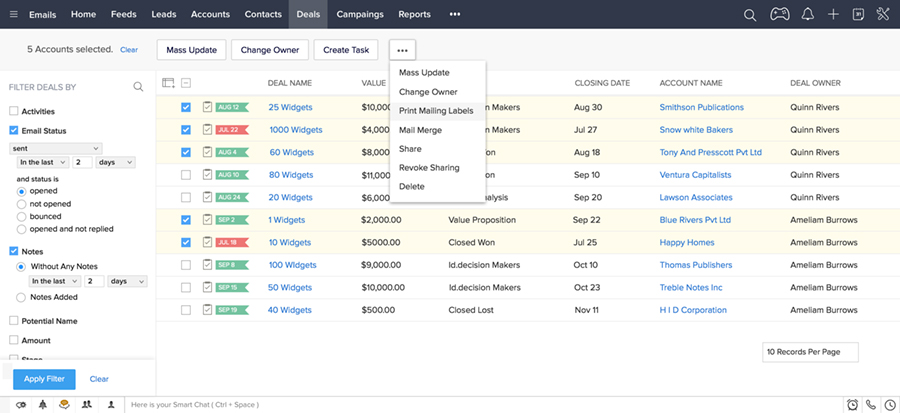
In the dynamic world of customer service, a few key players dominate the CRM software market. These providers offer robust solutions tailored to enhance customer interactions and streamline service processes.
Understanding the strengths and offerings of these top CRM vendors is essential for businesses aiming to elevate their customer service game. Let’s dive into the unique features that set these providers apart.
Top CRM Vendors Revolutionizing Customer Service
Among the vast array of CRM providers, a select few stand out for their comprehensive features and exceptional user satisfaction. Salesforce, known for its Cloud-based solutions, offers unparalleled customization and scalability. Zendesk, on the other hand, bridges the gap between businesses and their customers with its intuitive interface and integrated communication channels. Meanwhile, HubSpot provides a free CRM tier, making it an attractive choice for smaller businesses aiming to manage customer relationships effectively without breaking the bank.
Distinguishing Features of Leading CRM Solutions
Each leading CRM provider has carved out a niche with unique features that cater to specific business needs. For instance, Salesforce excels in providing AI-driven analytics that enhance decision-making processes. Zendesk is celebrated for its omnichannel support, allowing seamless interactions across various platforms. Meanwhile, HubSpot boasts a user-friendly interface that simplifies CRM adoption for new users.
| Provider | Key Feature | Pricing | User Rating |
|---|---|---|---|
| Salesforce | AI-driven Analytics | Starts at $25/user/month | 4.5/5 |
| Zendesk | Omnichannel Support | Starts at $19/user/month | 4.4/5 |
| HubSpot | User-friendly Interface | Free & Paid Plans Available | 4.3/5 |
Case Studies: Success Stories with CRM Implementation
Real-world applications of CRM software highlight their transformative impact on businesses. Take, for example,
Company A
, which successfully utilized Salesforce to reduce response times by 30% and boost customer satisfaction significantly. Similarly,
Company B
integrated Zendesk into their operations, resulting in a smoother communication flow and a notable increase in first-contact resolutions. These case studies demonstrate the tangible benefits of investing in top-tier CRM solutions for customer service.
Implementation and Integration Strategies

Embarking on a journey to implement CRM software for customer service can be transformative. The seamless integration of CRM with your existing systems is essential for maximizing its potential.
Let’s explore effective strategies and best practices to ensure a smooth transition and successful CRM software implementation.
Strategies for Successful CRM Implementation
To achieve a successful CRM software implementation, it’s crucial to have a clear plan and a strategic approach. Start by conducting a thorough needs assessment to understand your customer service requirements and how CRM software can address them. This involves analyzing your current customer service processes and identifying areas for improvement.
Next, establish a project team that includes key stakeholders from different departments to ensure a comprehensive view of the implementation process. This team will be responsible for overseeing the project, making decisions, and communicating progress.
Developing a detailed implementation plan is also vital. This plan should artikel the timeline, budget, resource allocation, and milestones for the project. It should also include a risk management strategy to address potential challenges and setbacks.
Best Practices for Integrating CRM Systems
Integrating CRM systems with existing customer service tools enhances efficiency and ensures a seamless workflow. Begin by ensuring compatibility between the CRM software and your current systems. This involves checking the software’s integration capabilities and assessing any potential compatibility issues.
Next, it’s important to plan the integration process meticulously. This includes setting clear objectives for the integration, defining data flows, and establishing data governance protocols. It’s also essential to involve IT and customer service teams in this process to ensure technical and operational alignment.
Finally, test the integration thoroughly before full deployment. This involves conducting pilot runs, monitoring performance, and gathering feedback from customer service agents. Address any issues that arise during testing and make necessary adjustments before proceeding with a full rollout.
Step-by-Step Guide for Training Customer Service Teams
Training customer service teams on new CRM software is a critical step that ensures effective adoption and utilization. Start with a comprehensive training plan that includes both initial training sessions and ongoing support.
Step 1: Conduct a pre-training assessment to gauge the current skill levels of team members and tailor the training content accordingly.
Step 2: Develop training materials, such as user guides, video tutorials, and FAQs, to provide team members with the necessary resources to learn independently.
Step 3: Organize interactive training sessions where team members can practice using the CRM software in a simulated environment. Encourage participation and address any questions or concerns that arise during these sessions.
Step 4: Implement a feedback mechanism to gather input from team members on the training process. Use this feedback to refine the training program and address any gaps in knowledge or skills.
Overcoming Common Challenges During CRM Integration
Integrating CRM software can present various challenges, but with the right strategies, these can be effectively managed. One common challenge is data migration, where ensuring data accuracy and consistency is crucial. To overcome this, conduct a thorough data audit and clean-up before migration, and use data mapping techniques to align data fields between systems.
Another challenge is user resistance, where team members may be hesitant to adopt the new system. To address this, involve team members in the decision-making process from the onset and emphasize the benefits of the new CRM software for their daily work.
Finally, technical issues may arise, affecting system performance and integration. Collaborate closely with your IT team and CRM vendor to troubleshoot and resolve any technical problems swiftly.
Measuring CRM Software’s Impact on Customer Service

The true power of CRM software lies in its ability to transform customer service into a well-oiled machine. But how do businesses measure this transformation effectively?
To understand the impact of CRM software on customer service, it’s essential to delve deep into metrics and analytics that reveal the software’s effectiveness and areas of improvement.
Key Metrics and KPIs for CRM Effectiveness
Implementing a CRM system is just the beginning. Organizations need to establish a set of key metrics and KPIs that accurately reflect the software’s performance. Here are some critical ones:
- Customer Satisfaction Score (CSAT): A direct measure of how happy customers are with your services, often gathered through surveys.
- Net Promoter Score (NPS): Indicates customer loyalty and likelihood of recommending your services to others.
- First Contact Resolution (FCR): Measures how effectively customer inquiries are resolved in their first interaction.
- Average Response Time: Tracks the speed at which customer inquiries are initially addressed.
- Customer Retention Rate: Reflects the percentage of customers retained over a specific period.
Analyzing CRM Tools’ Impact on Customer Satisfaction
Utilizing CRM analytics tools, businesses can uncover patterns and insights that directly impact customer satisfaction. This involves:
1. Conducting customer feedback analysis through automated surveys triggered after interactions.
2. Leveraging advanced sentiment analysis to gauge customer emotions and adjust strategies accordingly.
3. Monitoring customer journey maps to identify friction points and streamline processes.
Reporting and Dashboards for CRM Performance
CRM software provides robust reporting capabilities that help visualize its effectiveness. Key examples include:
- Dashboard Overview: A bird’s-eye view of customer interactions and trends, showcasing overall performance.
- Detailed Reports: Break down metrics like CSAT and NPS by department, product, or service line.
- Custom Reports: Tailored to specific needs, allowing deeper dives into particular areas of concern.
Techniques for Continuous Improvement from CRM Insights
The journey doesn’t end with gathering data. Continuous improvement is vital for sustained success:
1.
“Feedback is the breakfast of champions.”
Regularly review feedback and implement changes for better service.
2. Harness AI-driven insights for predictive analytics, guiding future strategies.
3. Facilitate cross-departmental collaboration to ensure data-driven decisions benefit the entire organization.
4. Invest in ongoing training to help your team leverage CRM tools effectively.
Future Trends in CRM Software for Customer Service
As technology rapidly evolves, so too does the landscape of CRM software for customer service. Businesses looking to remain competitive must anticipate these changes and adapt to the innovations shaping the future of customer interactions.
The future holds a blend of advanced technological features that promise to redefine customer experience and streamline service processes. Let’s delve into these exciting emerging trends and their potential impact on CRM software for customer service.
Technological Advancements in CRM Software
As we move further into the digital age, CRM software is expected to integrate more sophisticated technologies. Innovations in cloud computing and data analytics are set to provide businesses with unprecedented access to customer insights and service personalization. These advancements will empower companies to predict customer needs more accurately and tailor their services effectively.
The Role of Artificial Intelligence and Machine Learning
Artificial Intelligence (AI) and Machine Learning (ML) are becoming integral to CRM solutions, driving automation and improving decision-making processes. AI-powered chatbots and virtual assistants are enhancing customer interactions by providing instant responses and freeing up human agents for more complex queries. Through continuous learning, these systems promise to deliver more personalized and efficient customer service.
Customer Service Innovations Driven by CRM
With CRM software evolving, innovative approaches to customer service are emerging. One such innovation is the development of omnichannel communication platforms that unify customer interactions across various channels, ensuring a seamless and consistent experience. Moreover, CRM software is increasingly focusing on proactive service, identifying potential issues before they arise and offering preemptive solutions.
Emerging Trends and Their Impact
Among the emerging trends, the integration of Internet of Things (IoT) with CRM systems is noteworthy. This integration allows for real-time data collection from connected devices, enabling a deeper understanding of customer behavior and needs. Furthermore, the move towards social CRM is gaining momentum, where social media insights are leveraged to foster stronger customer relationships and brand loyalty.
“The future of CRM is not just about managing customer relations; it’s about anticipating and exceeding expectations.”
Conclusion
As we conclude this exploration into the realm of CRM software for customer service, one thing is crystal clear: the right CRM solution can redefine your customer interactions, fostering loyalty and satisfaction. In a world where customer expectations are ever-evolving, staying ahead requires not just keeping up with trends but setting them. Embrace the transformative power of the best CRM software, and watch your customer service soar to unprecedented heights. The future of customer service is here—are you ready to lead the way?