Imagine a world where your business operations flow seamlessly, data is synchronized in real-time, and every customer interaction is personalized to perfection. This is the promise of integrating CRM with your existing software—a harmonious ecosystem where every tool in your arsenal works together to elevate your business potential.
As businesses evolve in a digital-first landscape, the integration of CRM systems with existing software becomes not just an option, but a necessity. This transformative process not only enhances efficiency but also propels customer satisfaction to new heights. Let’s embark on this journey to unlock the full potential of your business operations through strategic CRM integration.
Understanding CRM and Existing Software Integration
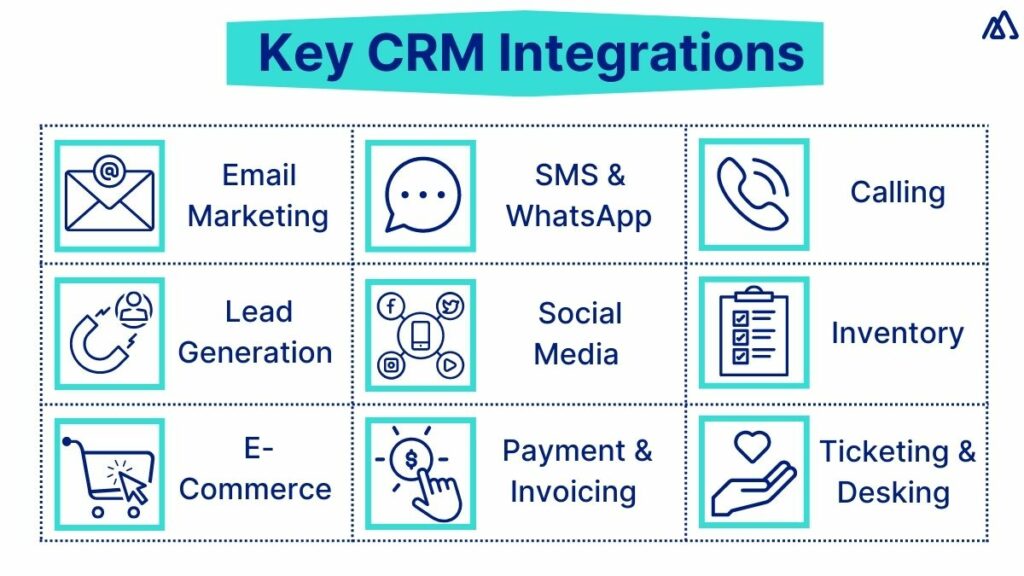
In today’s fast-paced business world, efficiency and connectivity are crucial, and that’s where the integration of CRM with existing software comes into play. This seamless connection can transform your business operations, providing a unified platform for enhanced productivity.
Customer Relationship Management (CRM) systems are designed to streamline all interactions with customers and potential clients. By integrating CRM with software you already use, you not only centralize your data but also enhance customer satisfaction and operational efficiency.
The Role of CRM in Business Operations
CRM systems are more than just databases; they are the backbone of modern customer engagement strategies. CRM captures every customer interaction, from initial contact to sales, and post-sale services. Businesses can utilize this data to improve customer experience, tailor marketing efforts, and ultimately drive revenue growth. It’s all about personalizing the customer journey and turning insights into action.
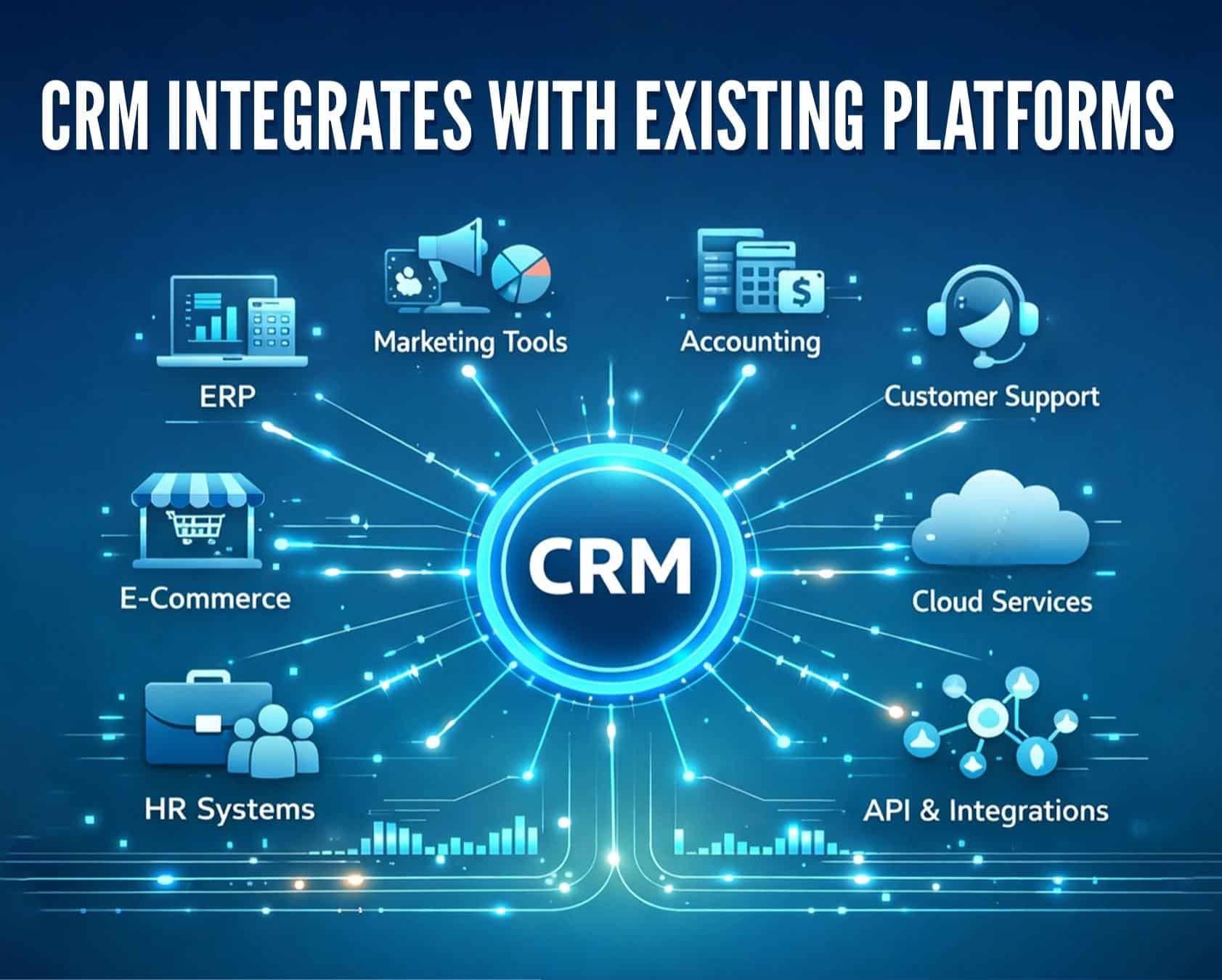
Common Existing Software Systems in Use
Many businesses rely on a variety of software solutions to handle different operational aspects. These include:
- Enterprise Resource Planning (ERP) for managing core business processes.
- Email Marketing Tools to reach and engage with customers effectively.
- Accounting Software for financial tracking and reporting.
- Project Management Tools to streamline task allocation and tracking.
Integrating CRM with these systems breaks down silos and fosters a more collaborative and informed workspace, where every team has access to the same up-to-date information.
Benefits of Integration
Integrating CRM with existing software offers numerous advantages that directly impact business success:
| Benefit | Description |
|---|---|
| Increased Efficiency |
, allowing teams to focus on strategic initiatives. |
| Improved Data Accuracy | With synchronized systems, data consistency is maintained, reducing errors and ensuring that decisions are based on reliable information. |
| Enhanced Customer Experience | Access to comprehensive customer insights means more personalized service, fostering loyalty and satisfaction. |
| Scalable Growth | As businesses grow, integrated systems can easily scale, supporting new processes and higher volumes of data. |
By embracing the power of integration, businesses can unlock new levels of productivity and customer engagement, paving the way for sustained growth and success.
Methods of Integration

Integrating a CRM system with existing software can enhance business efficiency and data cohesion. Let’s explore the key methods to achieve seamless integration.
CRM integration methods vary, catering to different levels of complexity and business needs. By understanding these methods, businesses can choose the best strategy to unify their systems.
Understanding API Integration and Third-Party Connectors
Choosing the right integration method can be daunting, but it primarily falls into two categories: API integration and third-party connectors. Each has its unique strengths.
API integration involves using Application Programming Interfaces (APIs) to establish direct communication between the CRM and other software. This method offers flexibility and customization, allowing businesses to tailor the integration to their specific needs. It’s ideal for companies with skilled IT teams who can handle the complexities of coding and development.
On the other hand, third-party connectors act as intermediaries, simplifying the integration process. These connectors offer ease of use and require minimal technical expertise, making them suitable for businesses seeking a quick and straightforward solution.
| Aspect | API Integration | Third-Party Connectors |
|---|---|---|
| Functionality | Highly customizable, allowing bespoke integration solutions. | Limited to the features provided by the third-party. |
| Ease of Use | Requires technical expertise and development resources. | User-friendly, often with drag-and-drop interfaces. |
| Flexibility | Offers extensive flexibility to meet complex requirements. | Best for straightforward, standard integrations. |
Designing an Integration Approach Using API
To design a successful integration approach using APIs, businesses should follow a structured process:
- Identify the business objectives and specific requirements for CRM integration.
- Evaluate the capabilities of the existing software and CRM platform APIs.
- Develop a data mapping strategy to ensure seamless data flow.
- Create a detailed integration plan, outlining each step and timeline.
- Implement a testing phase to identify and rectify potential issues.
- Launch the integration and monitor its performance for continuous improvement.
Remember,
successful API integration hinges on meticulous planning and execution.
By following these steps, businesses can harness the full potential of their CRM systems and existing software.
Challenges in Integration
Integrating CRM with existing software is no small feat. The path is often laden with unexpected hurdles that require strategic problem-solving.
Let’s delve into the various challenges that companies encounter during the integration process, and explore how these hurdles can be effectively managed.
Common Challenges Faced During CRM Software Integration
One of the primary challenges in integrating CRM software is ensuring compatibility with existing systems. Organizations frequently encounter compatibility issues, where software from different vendors fails to communicate effectively. This can lead to data silos, where valuable information is trapped in inaccessible systems.
Another prevalent challenge is the lack of standardized processes across departments, which can lead to inconsistent data entry and processing.
Errors and Effective Troubleshooting
Errors are inevitable in any integration process, but how you address them can make all the difference. Common errors include data mismatches, integration failures, and performance lags. To troubleshoot effectively, it’s crucial to adopt a proactive approach:
- Identify errors early by conducting thorough testing before going live.
- Implement robust monitoring tools to detect and diagnose issues in real-time.
- Develop a comprehensive error management plan that includes regular audits and updates.
Security Concerns and How to Address Them
Security is a paramount concern during integration. Integrating CRM systems can expose sensitive customer data to potential breaches. To mitigate these risks, consider the following strategies:
- Use encryption to protect data both in transit and at rest.
- Deploy firewalls and intrusion detection systems to safeguard against unauthorized access.
- Conduct regular security audits to identify and address vulnerabilities.
Remember, as the saying goes,
“An ounce of prevention is worth a pound of cure.”
Prioritizing security can save you from significant headaches down the road.
Tools and Technologies for Integration
.png?2026-04-25T14:04:29.402Z "CRM Integration Strategy - Roadmap, Best Practices And Key Considerations")
In today’s dynamic business landscape, integrating your CRM with existing software is not just an option—it’s a necessity. Leveraging the right tools and technologies can transform this complex task into a seamless operation, ensuring that your systems work harmoniously to drive success.
The right integration tools can bridge the gap between disparate systems, facilitating smooth data flow and enabling enhanced customer insights. Let’s delve into some of the popular tools and technologies that can elevate your CRM integration strategy.
Popular Integration Tools and Technologies
When it comes to integrating CRM with existing software, choosing the right tools can make all the difference. Here are some of the most trusted and popular options that businesses use to achieve seamless integration:
- Zapier: Known for its user-friendly interface, Zapier allows even non-technical users to create powerful workflows between apps.
- MuleSoft: A robust platform that provides comprehensive integration solutions, ensuring systems communicate effectively.
- Informatica: Ideal for data integration and management, Informatica offers extensive features that support various integration scenarios.
- Microsoft Power Automate: Part of the Microsoft ecosystem, it excels in automating workflows and integrating with Microsoft services.
The Role of Middleware in Seamless Integration
Middleware plays a crucial role in the integration process. Acting as a bridge, middleware ensures that communication between your CRM and other software is smooth and efficient. By handling data transformation and routing, middleware eliminates the complexities involved in direct integrations. As a result, it provides a unified platform that connects different systems, enabling them to work together harmoniously.
Middleware is the unsung hero of CRM integration, making seamless data exchange possible across diverse systems.
Comparison of Different Integration Tools
Choosing the right tool for CRM integration depends on your specific needs and the complexity of your existing systems. Here’s a quick comparison of different integration tools to help you make an informed decision:
| Tool Name | Features | Pros | Cons |
|---|---|---|---|
| Zapier | Easy automation, pre-built templates | User-friendly, no coding required | Limited to supported apps |
| MuleSoft | API integration, data transformation | Highly scalable, enterprise level | Complex setup |
| Informatica | Data integration, cloud support | Robust data handling | Steep learning curve |
| Microsoft Power Automate | Workflow automation, Microsoft integration | Strong Microsoft ecosystem support | Best for Microsoft products |
Best Practices for Successful Integration
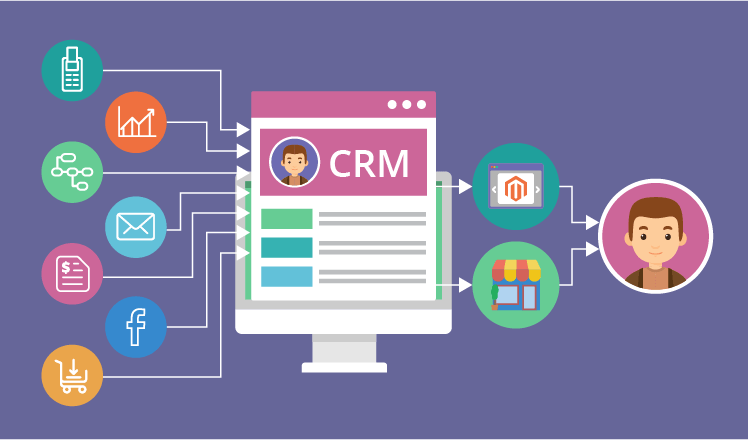
Successfully integrating a CRM with existing software can transform business operations, enhance customer interactions, and streamline processes. Following best practices is vital for this complex endeavor to ensure seamless functionality and maximize the benefits.
By focusing on structured processes, clear communication, and strategic execution, organizations can mitigate common pitfalls and achieve a harmonious integration that supports their goals.
Data Mapping and Cleansing: The Foundation of Integration
Before diving into the integration process, it’s crucial to focus on data mapping and cleansing, as these steps lay the foundation for a successful integration. Data mapping involves creating a detailed plan of how information from various sources will align within the CRM system. This ensures consistency and accuracy, preventing any data discrepancies that could lead to confusion or errors.
Data cleansing, on the other hand, involves cleaning up the existing data by removing duplicates, correcting errors, and ensuring all information is up-to-date. This step is essential to maintain data integrity and reliability. Consider implementing automated tools that can regularly cleanse data to maintain quality over time.
Strategies to Test and Validate the Integration Process
Once the data is mapped and cleansed, the next step is to rigorously test and validate the integration process. It is essential to develop a comprehensive testing strategy that covers all possible scenarios and outcomes. A well-structured testing phase can highlight potential issues before they become significant problems in a live environment.
Implement a phased rollout approach, starting with a pilot test that involves a small segment of the system. This method allows for adjustments and refinements without disrupting the entire operation. Additionally, use user acceptance testing (UAT) to ensure that the system meets user needs and expectations.
Remember, thorough testing is not just a suggestion; it’s a necessity for integration success.
Finally, keep all stakeholders informed and involved throughout the testing process to ensure that any issues are swiftly addressed and resolved.
Case Studies of Successful Integration
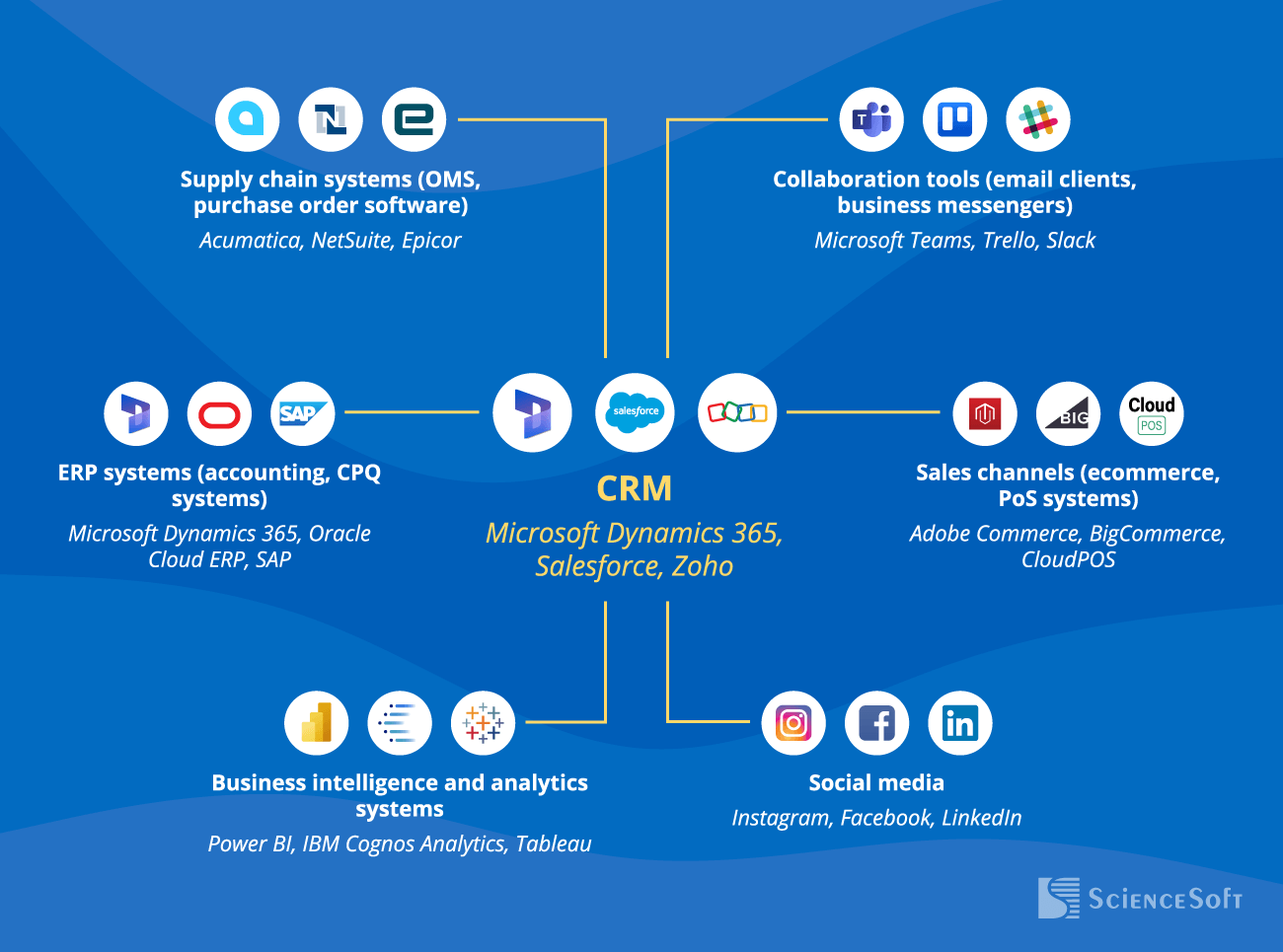
Integrating CRM with existing software can transform business operations by elevating efficiency and enhancing customer experience. Let’s explore some success stories from diverse industries that have mastered this art.
These case studies highlight the innovative approaches and strategic decisions that led to seamless CRM and software integration. By examining these examples, we can uncover valuable insights and best practices that can be applied across various business environments.
Retail: Elevating Customer Experience Through Integration
In the retail sector, a leading fashion brand successfully integrated their CRM with their point-of-sale (POS) and inventory management systems. This integration ensured real-time data synchronization, empowering sales associates to provide personalized shopping experiences.
- Real-time insights: Immediate access to customer purchase history and preferences.
- Inventory accuracy: Seamless stock updates across all platforms.
- Enhanced loyalty programs: Personalized offers and promotions based on data-driven insights.
Healthcare: Streamlining Patient Management
A renowned healthcare provider integrated their CRM with their electronic health records (EHR) system to improve patient care. This integration allowed healthcare professionals to access a comprehensive view of patient information, resulting in more informed decision-making and improved care coordination.
- Unified patient profiles: Centralized access to medical history and treatment plans.
- Improved appointment scheduling: Automated reminders and follow-ups.
- Enhanced communication: Streamlined interactions between patients and healthcare providers.
Financial Services: Boosting Operational Efficiency
In the financial sector, a leading bank achieved remarkable results by integrating their CRM with risk management and financial analysis software. This integration enabled the bank to streamline operations and enhance risk assessment capabilities.
- Improved data analysis: Real-time integration of financial data for risk assessment.
- Operational efficiency: Reduced data entry errors and manual processes.
- Customer-centric strategies: Enhanced ability to offer tailored financial products.
Manufacturing: Enhancing Supply Chain Management
A global manufacturing company elevated its supply chain operations by integrating its CRM with its enterprise resource planning (ERP) system. This integration optimized production schedules and improved vendor relationships through better communication.
- Optimized production: Real-time updates on inventory and production needs.
- Improved vendor relations: Enhanced communication and collaboration.
- Cost efficiency: Reduced waste and improved resource allocation.
The secret to successful integration lies in understanding both the CRM and the existing software’s capabilities and harmonizing them into a cohesive unit.
Conclusion
In conclusion, integrating CRM with your existing software is not just about technology; it’s about redefining how your business operates. By breaking down silos, enhancing communication, and fostering innovation, you can create a customer-centric environment that stands at the forefront of industry success. Embrace the power of integration and watch your business soar to new dimensions of excellence.