Imagine a world where your business can communicate with every customer efficiently and effectively, ensuring no opportunity slips through the cracks. Welcome to the future of customer relationship management with CRM software that automates follow-ups. This technology not only redefines how you interact with clients but also transforms your business operations into a well-oiled machine.
In today’s fast-paced market, maintaining a personal touch with every customer can be a daunting task. However, by embracing CRM software, you can effortlessly automate follow-ups, freeing up precious time while ensuring each customer feels valued. Get ready to dive into an era where technology and personalization seamlessly blend to enhance customer loyalty and drive success.
Introduction to CRM Software Automation
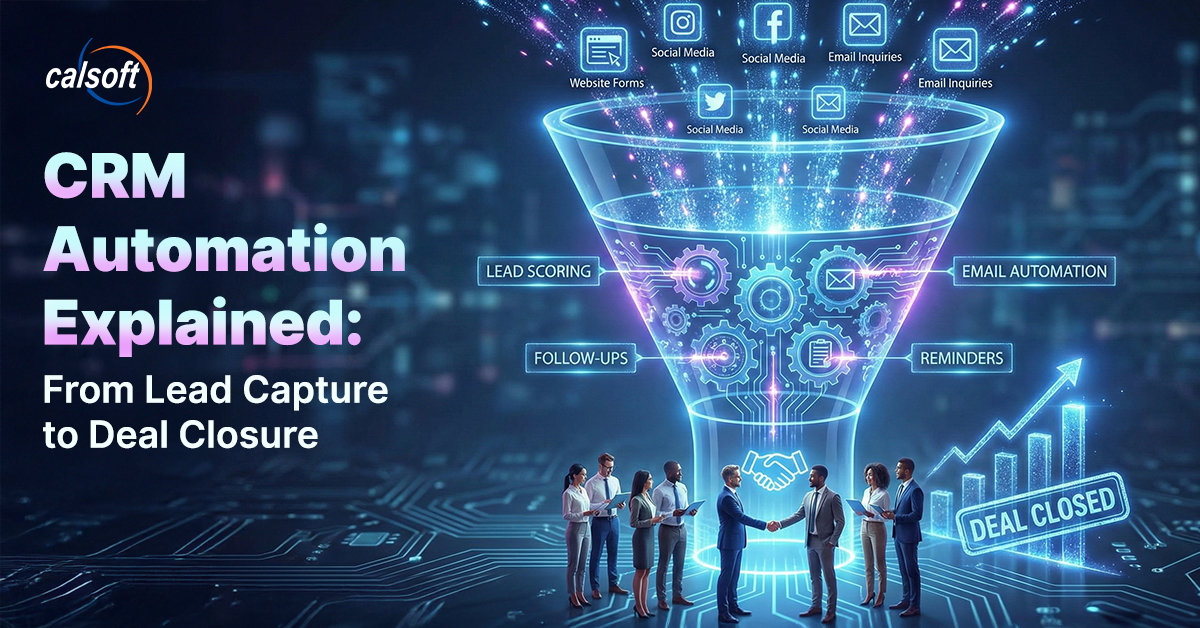
In the fast-paced world of business, maintaining strong customer relationships is key to success. CRM software plays a pivotal role by automating follow-ups, ensuring that no customer is left behind.
CRM, or Customer Relationship Management, software is designed to help businesses manage interactions with current and potential customers. Through automation, it streamlines follow-up processes, making it easier for businesses to nurture leads and foster customer loyalty.
Enhancing Customer Relationship Management with CRM
CRM software significantly boosts the efficiency of customer relationship management by centralizing customer information and facilitating timely, personalized communication. For instance, automated alerts can notify sales teams of important dates, while customizable templates ensure each follow-up message is tailored to the individual recipient’s needs and preferences.
Consider a scenario where a business needs to send reminders for expiring subscriptions. A CRM system can automatically send these notifications, enhancing customer satisfaction by preventing service interruptions.
Automating Email Follow-Ups
One of the standout functionalities of CRM software is its ability to automate email follow-ups. Businesses can set up trigger-based workflows that send emails based on customer actions or time intervals. This means that whether a customer abandons a shopping cart or reaches a milestone, the CRM can send relevant emails without manual intervention.
Moreover, analytics provided by CRM software allows businesses to track the effectiveness of these emails, offering insights into open rates, click-through rates, and more, thus enabling continuous optimization of communication strategies.
Key Features of CRM Software for Follow-ups

In the bustling world of business, effective communication and timely follow-ups are crucial to maintaining client relationships. CRM software, equipped with automation capabilities, can revolutionize how businesses manage their client interactions.
By automating follow-ups, businesses can ensure no client is forgotten, and every opportunity is maximized. Below, we delve into the essential features that empower CRM software to streamline follow-up processes seamlessly.
Automated Email Sequencing
Automated email sequencing allows businesses to establish predefined communication flows. With this feature, companies can ensure that every potential lead or existing client receives timely, personalized emails without manual intervention.
- Set up an array of emails triggered by specific actions.
- Adjust content based on recipient behavior.
- Maintain consistent engagement with clients.
Intelligent Task Reminders
Task reminders are a lifesaver when it comes to keeping track of follow-ups. These reminders integrate seamlessly with your current calendar and task management systems, ensuring that you never miss a beat.
“Stay ahead by never forgetting a follow-up.”
Customizable Dashboards
With customizable dashboards, users can have all their follow-up data and analytics at their fingertips. This feature allows for real-time insights into ongoing campaigns and helps in making informed decisions quickly.
| Feature | Description | Benefit | Use Case |
|---|---|---|---|
| Email Sequencing | Pre-scheduled email series that respond to user interactions. | Keeps audience engaged without manual effort. | Lead nurturing with personalized content based on user behavior. |
| Task Reminders | Alerts for upcoming follow-ups and important deadlines. | Ensures timely follow-ups and maximizes conversion. | Sales teams managing multiple client accounts. |
| Custom Dashboards | Real-time data visualization tailored to user needs. | Facilitates data-driven decisions and strategy adjustments. | Marketing teams monitoring campaign performance. |
Integration with Existing Systems
One of the standout features of modern CRM solutions is their ability to integrate with existing business systems. This integration ensures that the CRM becomes an extension of your business operations, rather than a separate entity.
Businesses can connect their CRM with email platforms, project management tools, and customer service software to create a cohesive ecosystem. This integration not only increases efficiency but also enhances the user experience by providing a unified interface for managing all client interactions.
Benefits of Automating Follow-ups with CRM Software
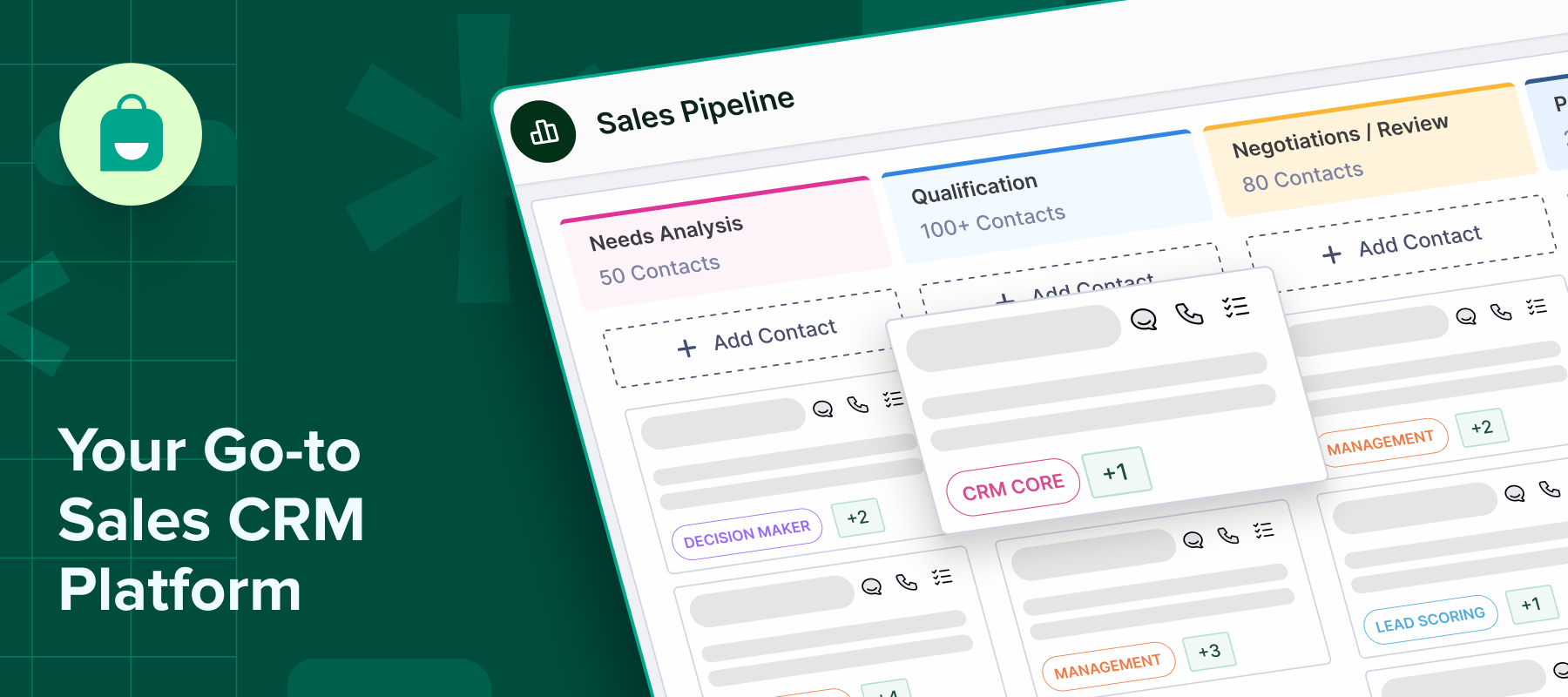
In today’s fast-paced digital world, keeping up with customer interactions manually can be a daunting task. This is where CRM software steps in, ensuring a seamless and efficient follow-up process that significantly boosts customer retention.
By leveraging CRM software for automating follow-ups, businesses can transform repetitive tasks into automated workflows, allowing them to focus on building stronger customer relationships. This not only saves time but also enhances the overall efficiency of the customer engagement process.
Enhanced Efficiency and Time-Saving
Automating follow-ups with CRM software provides unmatched efficiency, enabling businesses to handle a large volume of customer interactions effortlessly. By automating routine tasks, businesses can free up valuable time that can be redirected towards strategic growth initiatives. This not only reduces the workload of customer service teams but also ensures that no customer inquiry falls through the cracks.
With automated reminders and notifications, businesses can ensure timely follow-ups, enhancing the customer’s experience and increasing the likelihood of repeat business.
Improved Customer Engagement
Consider a scenario where a leading retail company implemented CRM software to automate their follow-up process. The software’s intelligent algorithms tracked customer purchases and sent personalized follow-up emails to encourage further engagement.
As a result, the company experienced a 30% increase in repeat purchases within just the first three months, demonstrating the power of automated follow-ups in nurturing customer relationships.
By delivering timely and personalized communication, businesses can foster a more meaningful relationship with their customers, ultimately driving loyalty and satisfaction.
Choosing the Right CRM Software for Follow-up Automation

In the bustling world of business, choosing the right CRM software can be the key to unlocking seamless follow-up automation. With a plethora of options available, finding the perfect fit for your business needs can seem daunting.
To make an informed decision, businesses must consider various criteria that align with their operational goals and customer engagement strategies. It’s not just about automating tasks; it’s about enhancing your customer relationships.
Criteria for Selecting CRM Software
When diving into the ocean of CRM software, consider these crucial criteria:
- Scalability: Ensure the software grows with your business.
- Integration: Look for CRM options that integrate seamlessly with existing tools.
- Usability: Choose software with an intuitive interface for swift adoption.
- Cost: Evaluate the software’s pricing structure against your budget.
- Customer Support: Robust support can save invaluable time and mitigate frustrations.
Comparison of Popular CRM Software
Below is a comparison of some popular CRM software options that can enhance your follow-up automation:
| Software | Key Features | Price | Customer Reviews |
|---|---|---|---|
| Salesforce | Comprehensive analytics, extensive integration | Starts at $25/user/month | 4.5/5 – praised for customization |
| HubSpot | User-friendly, marketing automation | Free to $50/user/month | 4.7/5 – lauded for ease of use |
| Zoho CRM | AI-powered sales assistant, multichannel support | Starts at $12/user/month | 4.3/5 – valued for affordability |
| Pipedrive | Visual sales pipeline, detailed activity reports | Starts at $15/user/month | 4.6/5 – appreciated for intuitive design |
Evaluating CRM Tools for Your Business
Here’s a step-by-step approach to finding the CRM that best matches your unique business needs:
- Define your business goals: Understand what you hope to achieve by automating follow-ups.
- Map your current process: Identify areas where CRM can enhance efficiency.
- Shortlist potential tools: Use the criteria and comparison above to narrow down options.
- Take advantage of trials: Many CRMs offer free trials—leverage them to test usability and integration.
- Gather stakeholder feedback: Ensure team members are on board and find the tool easy to use.
- Evaluate the ROI: Consider the long-term benefits versus the cost of the CRM software.
“The right CRM tool is not just a purchase, it’s an investment in your customer relationships.”
Best Practices for Implementing CRM Follow-up Automation
Incorporating automated follow-up processes into your CRM system can revolutionize customer interactions, boosting both efficiency and satisfaction. By following best practices, businesses can ensure seamless integration and optimal results.
Effective implementation requires a strategic approach, focusing on customization and staff training to maximize the potential of CRM software.
Setting Up Automated Follow-ups
To set up automated follow-ups effectively, begin by mapping out your customer journey. Identify key touchpoints where automation can enhance the experience. Targeting these interactions ensures that your automated messages are timely and relevant. It’s crucial to regularly update and review these automated scenarios, ensuring they adapt to evolving customer needs and business goals.
Training Staff for CRM Mastery
Empower your team with comprehensive training on the CRM’s follow-up features. This involves not just technical training, but also understanding the why behind automation. A well-informed staff can leverage the CRM tools more effectively, leading to more meaningful interactions. Consider utilizing role-playing exercises during training sessions to demonstrate real-world application.
Personalizing Automated Follow-ups
Personalization is key to successful CRM follow-up automation. Customize your automated messages to include customer names, past interactions, and preferences. Segment your audience based on demographics, purchase history, and behavior to tailor communications further. This personal touch can transform a generic follow-up into a valuable connection.
Future Trends in CRM Software and Automation
As we venture into the future of CRM software, the landscape is ripe with innovations that promise to revolutionize how businesses automate follow-ups. Emerging technologies are reshaping CRM capabilities, offering new opportunities and challenges alike.
One of the most exciting aspects of this evolution is the ability to leverage cutting-edge technologies to enhance customer relationships, streamline operations, and provide personalized experiences like never before.
Emerging Technologies Transforming CRM Follow-ups
In this brave new world of CRM automation, several technological advancements are poised to redefine industry standards. These innovations not only enhance functionality but also open doors to previously unimaginable possibilities.
- Artificial Intelligence and Machine Learning: AI-driven analytics will empower CRMs to predict customer needs, enabling timely and personalized follow-ups.
- Internet of Things (IoT): Integration with IoT devices will allow CRMs to gather real-time data, providing deeper insights into customer behavior and preferences.
- Voice Recognition and Natural Language Processing: These advancements will facilitate more intuitive user interactions, making CRM tools easier to use and more efficient.
- Blockchain Technology: By ensuring secure and transparent data exchanges, blockchain will enhance trust and reliability in CRM systems.
Potential Challenges in Adopting New CRM Technologies
While the future of CRM software is bright, the path to innovation is fraught with potential challenges. Businesses must navigate these hurdles carefully to fully harness the benefits of new technologies.
| Challenge | Impact |
|---|---|
| Integration Complexities | Seamlessly merging new technologies with existing systems can be challenging and resource-intensive. |
| Data Security Concerns | As CRMs gather more data, ensuring privacy and compliance with regulations becomes crucial. |
| Cost and Resource Allocation | Investing in cutting-edge technologies requires significant financial and human resources. |
| User Adoption and Training | Employees may require training to effectively utilize new tools and features, impacting productivity during transition periods. |
Embracing the future of CRM automation involves both seizing opportunities and overcoming obstacles.
Last Word

As we embrace the digital age, CRM software that automates follow-ups is not just a luxury but a necessity for businesses striving to thrive. By adopting this technology, you are not only investing in tools but in the future of your customer relationships. Let automation do the heavy lifting, so you can focus on what really matters—building lasting connections and delivering unparalleled customer experiences. Seize the opportunity to transform your business today!