Imagine harnessing the power of cutting-edge technology to improve customer relationships, streamline operations, and enhance team collaboration—all from the convenience of the cloud. Cloud-based CRM software is revolutionizing the way businesses interact with their clients, offering unparalleled accessibility, flexibility, and efficiency. Whether you’re a small startup or an established enterprise, the benefits of cloud-based CRM solutions are too compelling to ignore.
In a world where customer-centric strategies are paramount, cloud-based CRM systems stand out as a game-changer. They not only cut down costs significantly but also provide scalable and customizable solutions that grow alongside your business needs. Dive into the cloud, and discover how embracing this innovative technology can propel your business to new heights.
Advantages of Cloud-Based CRM Software
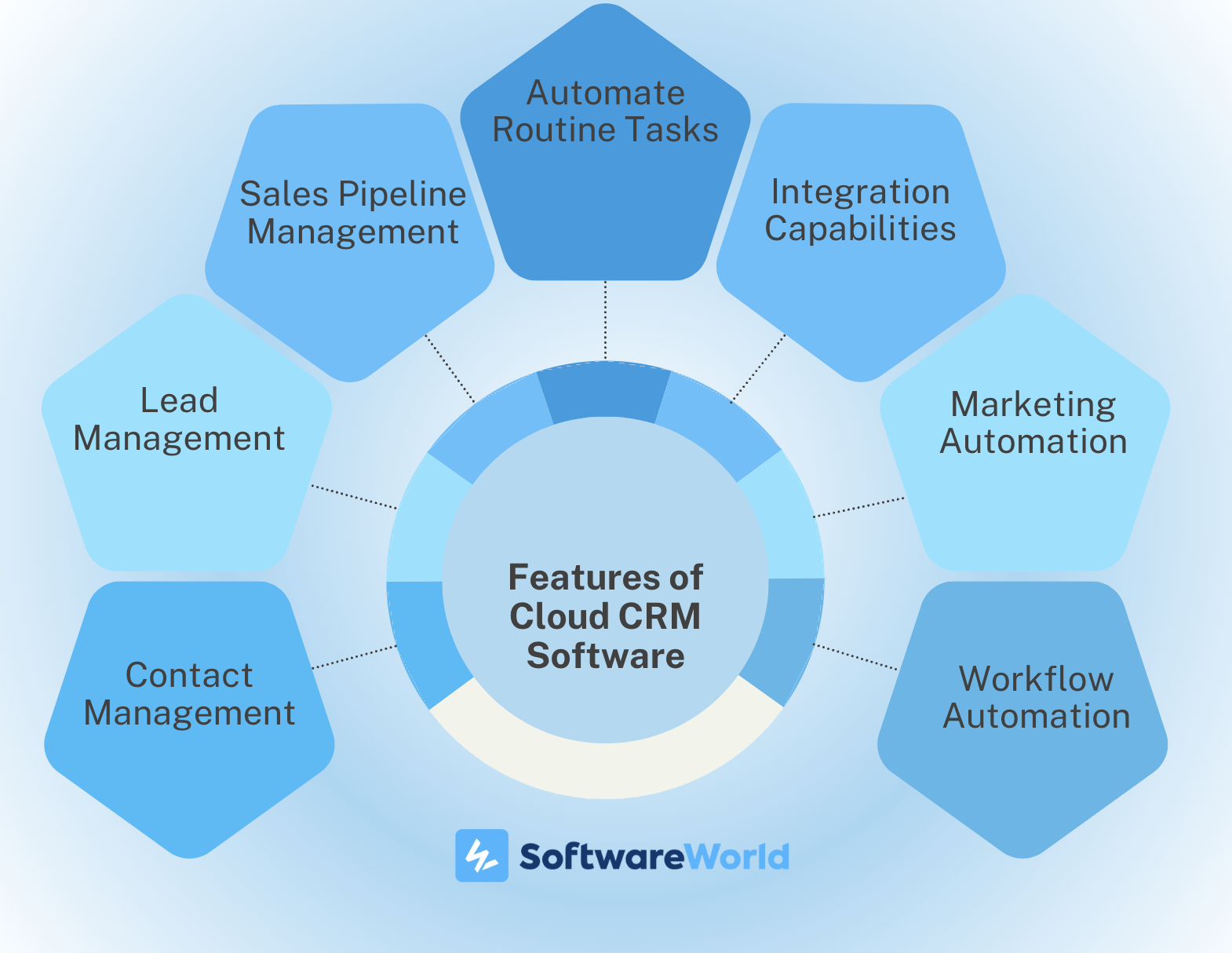
In today’s fast-paced digital landscape, the agility and efficiency of cloud-based CRM software have become indispensable for businesses seeking to thrive.
This powerful tool not only optimizes customer interactions but also streamlines workflows, ensuring that organizations remain competitive and responsive to market demands.
Enhanced Customer Relationship Management
Cloud-based CRM software empowers businesses to deeply understand their customers by providing a centralized repository of customer data accessible from anywhere. With real-time analytics and insights, businesses can tailor their strategies to meet customer needs more effectively. By leveraging customer data, businesses can foster stronger relationships, delivering personalized experiences that drive customer loyalty and retention.
Accessibility and Flexibility for Modern Workforces
The true beauty of cloud-based CRM lies in its unmatched accessibility and flexibility. Teams can access critical information from any device, at any time, ensuring seamless collaboration whether they’re in the office or on-the-go. This accessibility allows for prompt decision-making and faster response times, enhancing the overall customer experience.
- Work from any location with just an internet connection.
- Real-time updates ensure that everyone is on the same page.
- Scalable solutions that grow with your business needs.
Comparing Traditional vs. Cloud-Based CRM
The decision between traditional and cloud-based CRM systems is pivotal. Here’s a concise comparison to illustrate their differences:
| Aspect | Traditional CRM | Cloud-Based CRM |
|---|---|---|
| Deployment | On-premise | Cloud-hosted |
| Accessibility | Limited to office network | Anywhere with internet |
| Cost | High upfront | Subscription-based |
| Scalability | Static | Highly scalable |
“With cloud-based CRM, businesses enter a realm of unprecedented agility and customer-centricity.”
Cost-Effectiveness
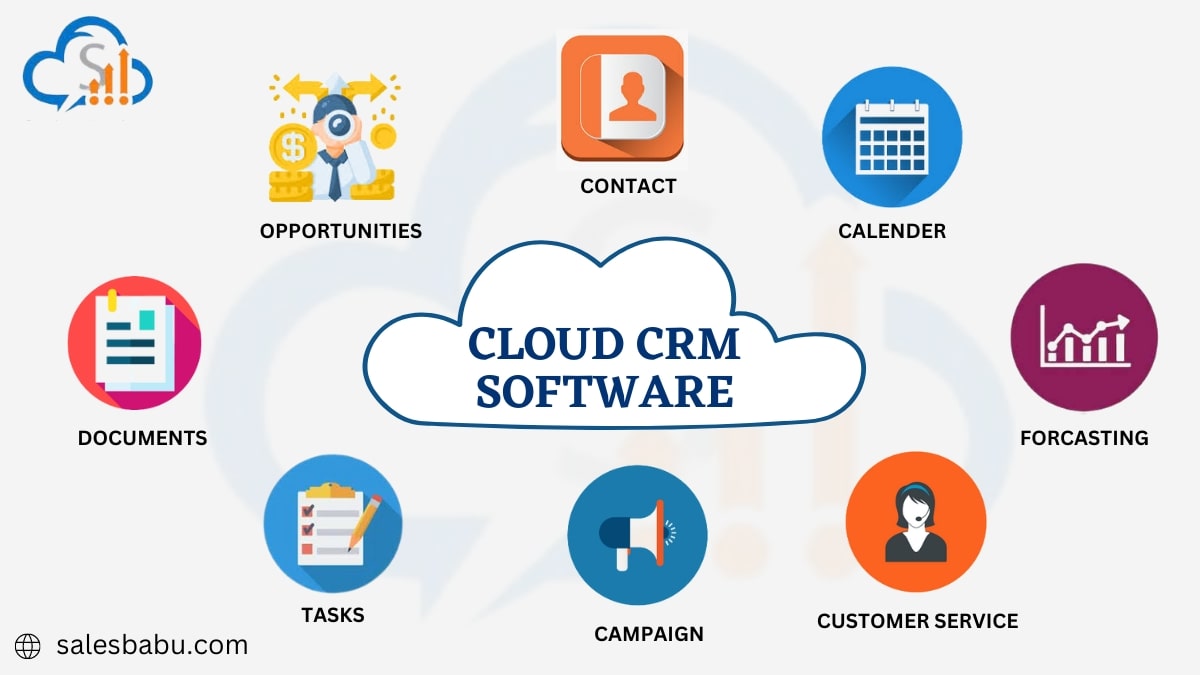
In a world where every penny counts, choosing the right CRM solution can significantly impact your bottom line. Cloud-based CRM software shines brightly not just for its features, but for the financial savings it brings to the table.
Unlike traditional on-premises systems, cloud-based CRM solutions eliminate the need for hefty upfront investments in hardware and infrastructure. This approach allows businesses to allocate resources more efficiently while enjoying the benefits of a robust customer relationship management system without breaking the bank.
Smart Financial Planning with Cloud-Based CRM
By adopting a cloud-based CRM system, companies can reduce or even eliminate costs related to IT maintenance, hardware upgrades, and system outages. The shift from capital expenditure (CapEx) to operational expenditure (OpEx) offers predictable monthly expenses, helping businesses plan and grow without financial surprises.
To further illustrate the cost advantages, let’s take a look at a comparison between cloud-based CRM solutions and traditional on-premises systems:
| Aspect | Cloud-Based CRM | On-Premises CRM |
|---|---|---|
| Initial Investment | Minimal setup costs | High hardware and setup costs |
| Maintenance | Included in subscription | Requires dedicated IT staff |
| Scalability | Flexible, pay-as-you-grow | Costly hardware upgrades |
| Updates and Upgrades | Automatic and free | Potentially disruptive and costly |
“Save money while boosting efficiency – cloud-based CRM is not just an option, it’s a strategic advantage.”
Scalability and Customization

In today’s rapidly evolving business landscape, the ability to scale and adapt is crucial. Cloud-based CRM software offers the flexibility and power to grow with your business, ensuring you remain competitive and efficient.
With cloud-based CRM solutions, businesses can effortlessly adjust their operations and processes to match their growth trajectory. This dynamic adaptability is accompanied by a wide range of customization options, allowing companies to tailor their CRM systems to their unique needs and objectives.
Empowering Business Growth
Cloud-based CRM solutions are inherently designed to support scalability, allowing businesses to expand their operations without the heavy costs associated with traditional systems. As your business grows, cloud platforms enable you to seamlessly upgrade your CRM capabilities—be it through adding new users, integrating additional features, or enhancing data storage capacity.
Customization is another critical facet of cloud-based CRM systems. Businesses can personalize their CRM interfaces according to specific user roles, ensuring that teams have access to the tools and information they need. Many platforms offer drag-and-drop customization, making it simple to modify dashboards, reports, and workflows without the need for extensive technical expertise.
Efficiently Scaling Cloud-Based CRM Solutions
To effectively scale your CRM solution as your business evolves, consider implementing the following strategies:
- Regularly assess your CRM needs and upgrade features to match your business growth.
- Utilize modular CRM architectures that allow for easy addition of new functionalities.
- Invest in staff training to ensure they can leverage new CRM capabilities effectively.
- Monitor system performance and user feedback to make necessary adjustments promptly.
“The right CRM solution grows with you, adapting to new challenges and opportunities effortlessly.”
By embracing cloud-based CRM solutions, businesses can not only manage current operations more effectively but also prepare for future demands, ensuring sustained success in an ever-changing market.
Integration with Other Tools

Integrating cloud-based CRM software with other business tools is a game-changer, transforming the way businesses operate by enhancing functionality and streamlining processes. This integration offers immense potential for improving efficiency, collaboration, and data accuracy.
Cloud-based CRM solutions are designed to work harmoniously with a variety of other tools, creating a seamless digital ecosystem for your business. By connecting your CRM with different applications, you create a unified platform that centralizes your data and processes.
Common Tools That Integrate Seamlessly
When it comes to maximizing the power of your CRM, you’ll find that certain tools align perfectly with a cloud-based system. The following list highlights essential integrations:
- Email Platforms: Synchronize your CRM with email services like Gmail and Outlook to streamline communication.
- Marketing Automation: Tools like Mailchimp and HubSpot integrate effortlessly, enhancing your marketing campaigns.
- Customer Support: Zendesk and Intercom align with CRM systems to improve customer service interactions.
- Project Management: Integrations with Asana and Trello help in tracking project progress alongside customer data.
- Accounting Software: QuickBooks and Xero integration ensures financial data is consistent and accurate.
Benefits of Integrating with Existing Business Tools
Integrating your CRM with existing business solutions offers a suite of advantages that can elevate your operations:
| Benefit | Description |
|---|---|
| Enhanced Efficiency | Streamlining workflows reduces manual data entry and minimizes errors, boosting productivity. |
| Improved Data Accuracy | Centralized data ensures that all team members have access to the most up-to-date information. |
| Better Decision-Making | Integrated tools provide comprehensive analytics, aiding strategic decisions. |
| Increased Collaboration | Shared access to information fosters teamwork and enhances communication. |
Setting Up Integrations with Cloud-Based CRM Software
Implementing integrations is a straightforward process, and with the right approach, you can unlock the full potential of your CRM:
“Integration is not just about connecting tools; it’s about transforming your business operations.”
- Identify Key Tools: Determine which applications are critical to your business processes and prioritize their integration.
- Utilize Native Integrations: Most CRM platforms provide built-in integrations with popular tools; explore these options first for seamless connectivity.
- Leverage APIs: When native integrations are unavailable, APIs offer a versatile solution for custom connections.
- Consult Support Teams: CRM support teams can provide guidance and assistance during the integration process, ensuring smooth implementation.
Security and Data Protection

In the digital age, safeguarding customer data is paramount, especially when leveraging cloud-based CRM systems. These platforms are designed with robust security measures to protect sensitive information from breaches.
Cloud-based CRM providers implement a variety of security features such as encryption, multi-factor authentication, and regular security audits to ensure data integrity and confidentiality. This comprehensive approach shields your customer data from unauthorized access and cyber threats.
Advanced Security Features
Cloud-based CRM systems are equipped with advanced security features that create a multi-layered defense mechanism, ensuring your data remains secure. They utilize encryption protocols to protect data both in transit and at rest, offering an additional layer of security. Moreover, multi-factor authentication ensures that only authorized users have access, significantly reducing the risk of data breaches.
Regular security audits and updates are conducted by cloud service providers to patch vulnerabilities and enhance system security. By continuously improving their defenses, they help prevent emerging cyber threats from compromising customer data.
Data Protection Measures by Providers
Cloud-based CRM providers offer extensive data protection measures to safeguard your information. These measures include data backup and recovery plans, ensuring that data can be restored in case of any loss or corruption. Providers also comply with international data protection standards and regulations, such as GDPR and CCPA, to ensure lawful data handling and processing.
- Regularly scheduled data backups
- Compliance with global data protection regulations
- Dedicated security teams monitoring for threats
Best Practices for Ensuring Data Security
While providers offer a robust security framework, companies should adopt best practices to bolster their security posture further. Implementing strong internal policies, such as regular password changes and employee training programs focused on data security, can significantly reduce the risk of breaches.
“No system is foolproof, but a proactive approach to security can make your data fortress nearly impenetrable.”
It’s crucial to integrate a comprehensive data security strategy that includes regular audits, vulnerability assessments, and establishing a robust incident response plan. By staying vigilant, companies can better protect their valuable data and maintain customer trust in the digital landscape.
Improved Collaboration

In the dynamic world of business, seamless collaboration is not just beneficial—it’s essential. Cloud-based CRM software revolutionizes how teams work together, enabling enhanced communication and synergy across departments.
Gone are the days of siloed information and scattered communications. With cloud-based CRM systems, teams can now access, update, and share crucial customer data in real-time from anywhere in the world. This level of accessibility ensures that everyone is on the same page, fostering a more cohesive work environment.
Streamlined Communication Channels
Cloud-based CRM software offers a suite of collaborative tools that streamline communication and project management. Features such as shared calendars, task assignments, and real-time chat enable teams to manage workflows efficiently and maintain transparency. These tools not only enhance productivity but also boost employee morale by reducing confusion and miscommunication.
Key Collaborative Features in Cloud-Based CRM
Below is a table highlighting some of the powerful collaboration tools found in cloud-based CRM software:
| Feature | Description | Benefits |
|---|---|---|
| Shared Calendars | Enables team members to view and manage schedules collectively. | Improves scheduling efficiency, reduces overlaps, and ensures timely follow-ups. |
| Real-Time Updates | Automatically syncs changes and updates across all devices and users. | Keeps everyone informed and aligned with the most current information. |
| Integrated Messaging | Facilitates instant communication within the CRM interface. | Encourages quick decision-making and problem-solving through direct communication. |
| Document Sharing | Allows for easy sharing and collaboration on files and documents. | Ensures all team members have access to necessary resources, fostering teamwork. |
“The ability to collaborate in real-time from anywhere is a game-changer for businesses striving for efficiency and excellence.”
Summary

In conclusion, the transition to cloud-based CRM software is more than just an upgrade—it’s a strategic move towards future-proofing your business. With enhanced security, seamless integration capabilities, and collaborative features that empower your team, you are poised to redefine your customer relationships and operational efficiency. Don’t just keep up with the competition—surpass them by leveraging the full spectrum of benefits that cloud-based CRM solutions offer.