Imagine a world where your business not only survives but thrives, thanks to the seamless integration of CRM software with marketing automation features. This isn’t just a digital dream—it’s a reality waiting for you to tap into. Dive into a transformative journey where customer relationships flourish and marketing becomes a finely tuned symphony, all orchestrated by cutting-edge technology.
In today’s competitive landscape, standing out requires more than just innovation; it demands efficiency and precision. By leveraging CRM software integrated with marketing automation, you are not just keeping pace with your competitors—you are setting a new standard. Let us explore how this dynamic duo can revolutionize your business operations, turning potential leads into loyal customers and propelling your growth trajectory to unprecedented heights.
Introduction to CRM Software with Marketing Automation Features
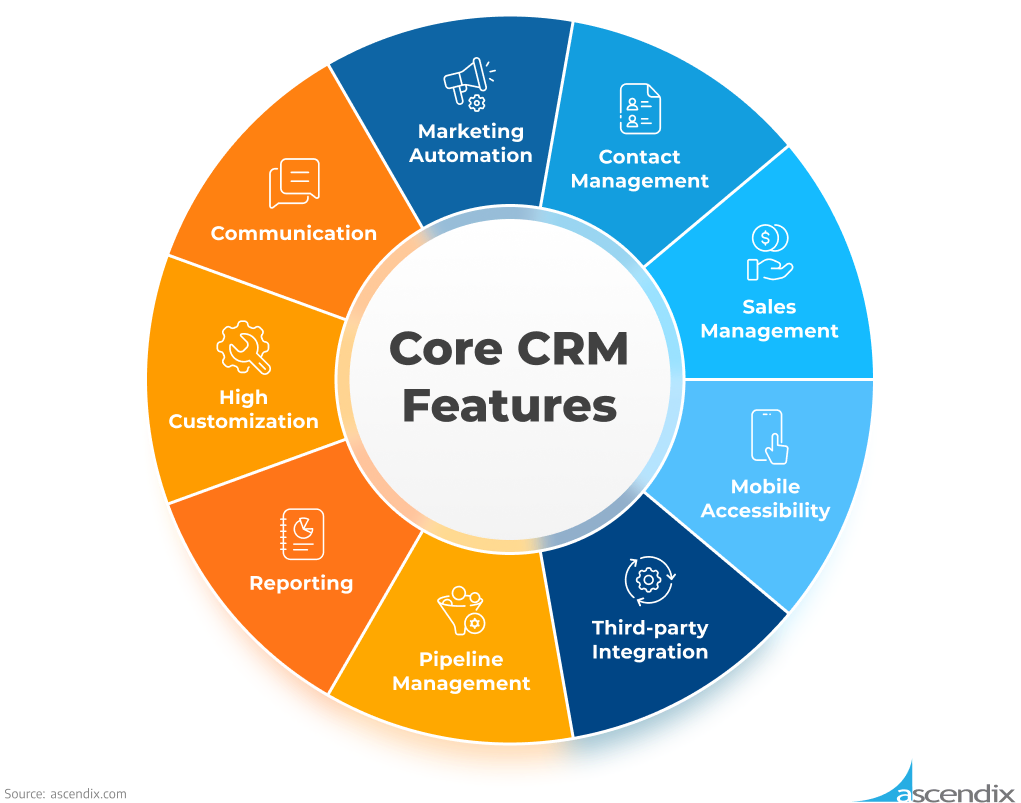
In the fast-paced digital business landscape, customer relationship management (CRM) software equipped with marketing automation is transforming the way companies connect with their customers. This powerful integration streamlines operations, enhances customer engagement, and drives business growth.
CRM software with marketing automation functionalities offers seamless coordination between sales and marketing teams. It automates repetitive marketing tasks and provides insights into customer interactions, enabling businesses to tailor their strategies more effectively. By leveraging these capabilities, companies can build stronger relationships with their customers and optimize their marketing campaigns for higher impact.
Core Functionalities and Benefits of Integration
At the heart of this technology is its ability to unify data and automate workflows, providing businesses with a complete view of the customer journey. Key functionalities include lead scoring, customer segmentation, and personalized communication. These are designed to enhance efficiency and effectiveness:
- Automated Lead Management: Streamline the process from lead capture to conversion.
- Personalized Customer Engagement: Deliver targeted and relevant content based on user behavior.
- Enhanced Analytics and Reporting: Gain insights through detailed analytics to inform decision-making.
By adopting CRM software with marketing automation, businesses can achieve a higher level of customer satisfaction, increased sales, and improved overall performance. This integration not only enhances operational efficiency but also empowers businesses to make data-driven decisions, ultimately leading to sustainable growth.
“Unlock the full potential of your marketing efforts with an integrated CRM solution.”
Essential Features of CRM Software with Marketing Automation

Unlock the full potential of your business strategies with CRM software that integrates marketing automation. Transform your customer interactions and elevate your marketing game with a suite of powerful tools designed to streamline processes and enhance efficiency.
By merging CRM capabilities with marketing automation, businesses can not only manage customer relationships effectively but also orchestrate sophisticated marketing campaigns with ease. Let’s delve into the specific features that make this synergy so compelling.
Comprehensive Feature Set for Enhanced Marketing Performance
Explore how CRM software with marketing automation elevates your business operations through a myriad of features. These tools are crafted to optimize marketing efforts, making customer engagement more intuitive and data-driven. Below is a detailed breakdown of the essential features, their descriptions, and benefits:
| Feature Name | Description | Benefit |
|---|---|---|
| Email Campaign Automation | Automate the scheduling and delivery of targeted email campaigns to segmented audiences. | Boost engagement and conversion rates by delivering the right message at the right time. |
| Lead Scoring | Automatically prioritize leads based on engagement and predefined criteria. | Focus on high-potential leads to maximize sales efficiency and effectiveness. |
| Social Media Integration | Connect your CRM with social media platforms to manage interactions and monitor brand sentiment. | Enhance brand visibility and engage with customers in real-time. |
| Landing Page Builder | Create professional landing pages without the need for coding expertise. | Increase conversion rates by tailoring landing pages to specific campaigns. |
| Customer Journey Mapping | Visualize and optimize the entire customer journey from awareness to purchase. | Improve customer experiences by identifying and addressing pain points. |
| Analytics and Reporting | Access in-depth analytics and customizable reports on marketing campaign performance. | Make data-driven decisions to refine strategies and achieve better results. |
| Behavioral-Based Triggers | Automatically initiate marketing actions based on customer behavior and interactions. | Enhance personalization and relevance of communications to drive engagement. |
“Empower your marketing strategy with precision and automation for unparalleled results.”
Advantages of Using CRM Software for Marketing Automation
In an ever-evolving digital landscape, CRM software with marketing automation emerges as a game-changer, offering businesses innovative ways to enhance customer engagement and streamline marketing efforts. By harnessing these powerful tools, companies can transform their strategies and achieve remarkable results.
With the integration of CRM and marketing automation, businesses are not just keeping pace with technological advancements but are setting new benchmarks for personalized customer interactions and data-driven decisions. This synergy is unlocking unprecedented levels of efficiency, paving the way for smarter marketing strategies.
Impact on Customer Engagement
The ability to engage customers in a personalized and timely manner is revolutionizing how businesses interact with their audience. CRM software with marketing automation enables companies to tailor their communication based on customer behavior, preferences, and past interactions.
“Customers crave personalization, and CRM software provides the perfect platform to deliver it seamlessly.”
By automating repetitive tasks, marketing teams can focus more on crafting creative campaigns and nurturing customer relationships, leading to improved satisfaction and loyalty.
Traditional Marketing vs. Automated CRM Strategies
Businesses often find themselves at a crossroads, debating between sticking with tried-and-tested traditional marketing methods or venturing into the realm of automated CRM strategies. The table below highlights key differences:
| Aspect | Traditional Marketing | Automated CRM Strategies |
|---|---|---|
| Approach | Mass communication | Personalized interactions |
| Efficiency | Time-consuming | Highly efficient |
| Data Utilization | Minimal | Extensive and insightful |
Success Stories in CRM and Marketing Automation
Many businesses have reaped the benefits of integrating CRM with marketing automation, witnessing not only increased engagement but also substantial growth in revenue. For instance, a renowned retail company saw a 30% boost in customer retention after implementing an automated CRM system, tailoring offers and communication effectively.
Similarly, a service-oriented business leveraged automated CRM to reduce churn rates significantly by sending timely follow-ups and personalized content, proving that these solutions aren’t just a trend but a necessity for sustained business success.
Integrating CRM and Marketing Automation for Business Growth
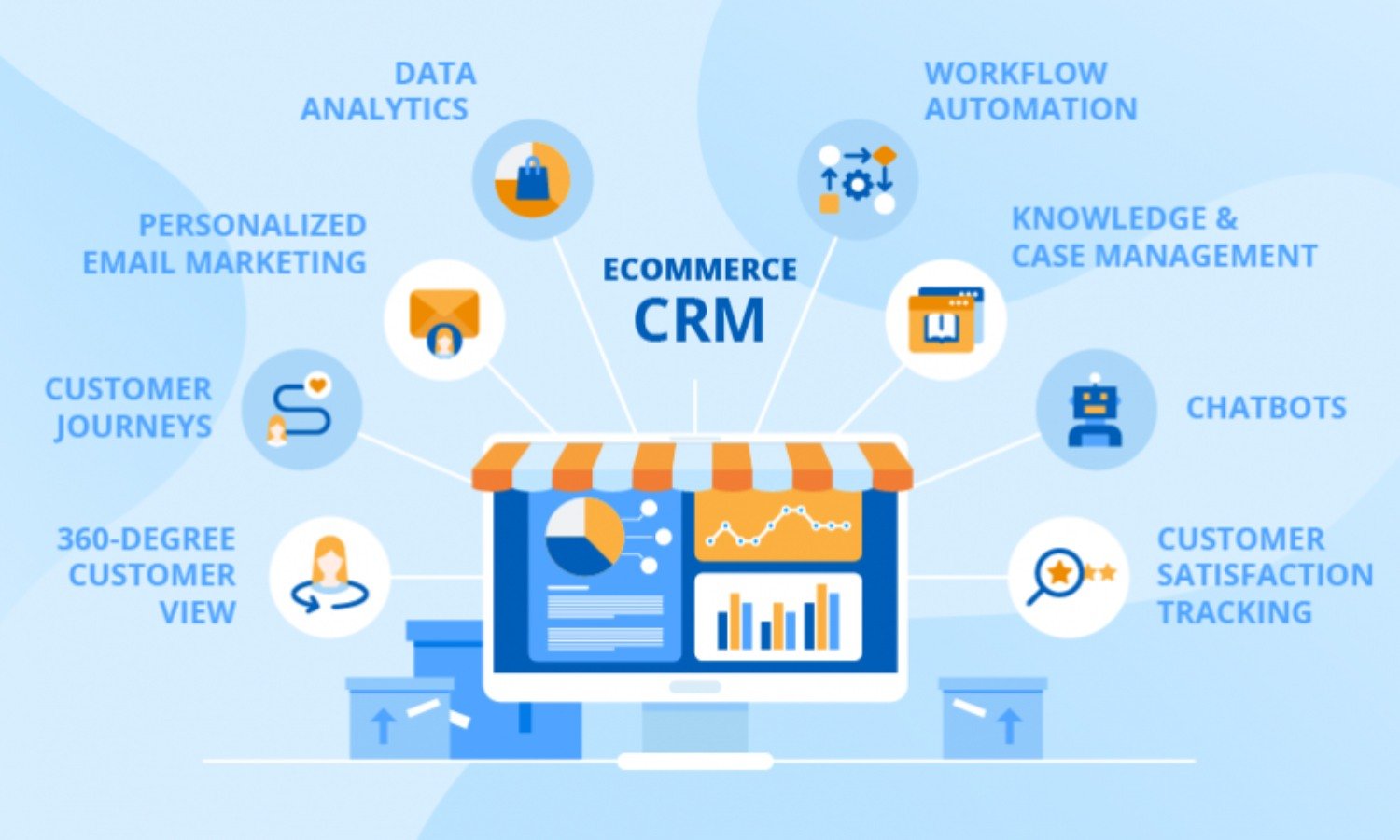
In an ever-evolving digital landscape, businesses are seeking robust solutions to streamline their operations and enhance customer engagement. Integrating CRM and marketing automation is an innovative approach that promises exponential growth by synergizing customer data with marketing strategies.
To unlock the full potential of CRM software, integrating it with your existing business systems is crucial. This fusion can lead to increased efficiency, personalized marketing, and improved customer relationships.
The Process of CRM Integration with Existing Business Systems
Integrating CRM with your current business systems is not just a technical task; it’s a strategic transformation. To successfully integrate CRM software, you need to ensure seamless compatibility and data synchronization, which involves:
- Assessment: Evaluate your existing systems to identify integration needs and potential touchpoints.
- Selection: Choose a CRM platform that offers flexible APIs and can easily connect with your current software applications.
- Implementation: Begin the integration process by aligning CRM functions with your business objectives, ensuring minimal disruption.
- Testing and Training: Conduct thorough testing to ensure data integrity, followed by training sessions to familiarize your team with the new processes.
Setting Up Marketing Automation within CRM Platforms
Setting up marketing automation in CRM systems can revolutionize the way your business operates by automating repetitive tasks and improving lead nurturing. Here’s a step-by-step guide:
- Identify Goals: Clearly define what you aim to achieve with marketing automation, whether it’s lead scoring, customer segmentation, or campaign management.
- Set Triggers: Establish triggers based on customer behaviors or lifecycle stages to initiate automated workflows.
- Create Content: Develop personalized content that resonates with your audience, ensuring it’s aligned with the triggers and goals.
- Monitor and Optimize: Continuously track the performance of automated campaigns and refine them based on data insights.
Potential Growth Outcomes from CRM and Marketing Integration
| Aspect | Outcome |
|---|---|
| Efficiency | Streamlined operations reduce manual tasks, freeing up resources for more strategic initiatives. |
| Customer Engagement | Personalized interactions foster stronger relationships, boosting customer retention and satisfaction. |
| Revenue Growth | Enhanced targeting and nurturing capabilities drive sales, increasing overall business revenue. |
In a recent case study, a mid-sized e-commerce company reported a 30% increase in sales within six months of integrating CRM and marketing automation, attributing this growth to more effective targeting and personalized customer interactions.
Challenges and Solutions in Implementing CRM Marketing Automation

As businesses venture into the dynamic realm of CRM marketing automation, they often encounter numerous hurdles that can hinder the optimization of their marketing strategies. Understanding these challenges and implementing effective solutions is crucial for seamless integration and enhanced business performance.
By identifying key challenges and utilizing strategic solutions, businesses can transform potential obstacles into opportunities for growth and efficiency in their marketing efforts.
Overcoming Data Integration Complexities
One of the significant challenges in implementing CRM marketing automation is the integration of existing data with new systems. Businesses often struggle with disparate data sources, leading to inconsistencies and data silos.
To tackle this, it is essential to adopt a robust integration strategy that ensures seamless data flow across platforms. Leveraging middleware solutions and APIs can facilitate smoother data synchronization and consistency.
“A seamless data integration is the backbone of successful CRM marketing automation.”
Ensuring User Adoption and Training
The effectiveness of CRM marketing automation tools is highly dependent on the proficiency of their users. However, encouraging team members to adopt new technologies can be challenging. Investing in comprehensive user training programs and providing ongoing support can significantly enhance user engagement and productivity.
Regular workshops, tutorials, and a dedicated helpdesk can empower users to fully exploit CRM functionalities and contribute to the organization’s marketing goals.
Managing Costs and Resources Efficiently
Implementing CRM marketing automation can be resource-intensive. Businesses often grapple with managing costs while ensuring the availability of necessary resources. Conducting a detailed cost-benefit analysis and aligning CRM objectives with business goals can ensure optimal resource allocation.
- Invest in scalable solutions that grow with your business needs.
- Regularly review and adjust your CRM strategies to maximize ROI.
Challenges, Impact, and Solutions
Below is a table summarizing the primary challenges faced by businesses, their potential impact, and effective solutions:
| Challenge | Impact | Solution |
|---|---|---|
| Data Integration Complexities | Inconsistent data and silos | Utilize middleware and APIs for seamless integration |
| User Adoption | Low engagement and productivity | Conduct comprehensive training and provide ongoing support |
| Cost Management | Resource allocation challenges | Perform cost-benefit analysis and align with business goals |
Future Trends in CRM Software with Marketing Automation Features
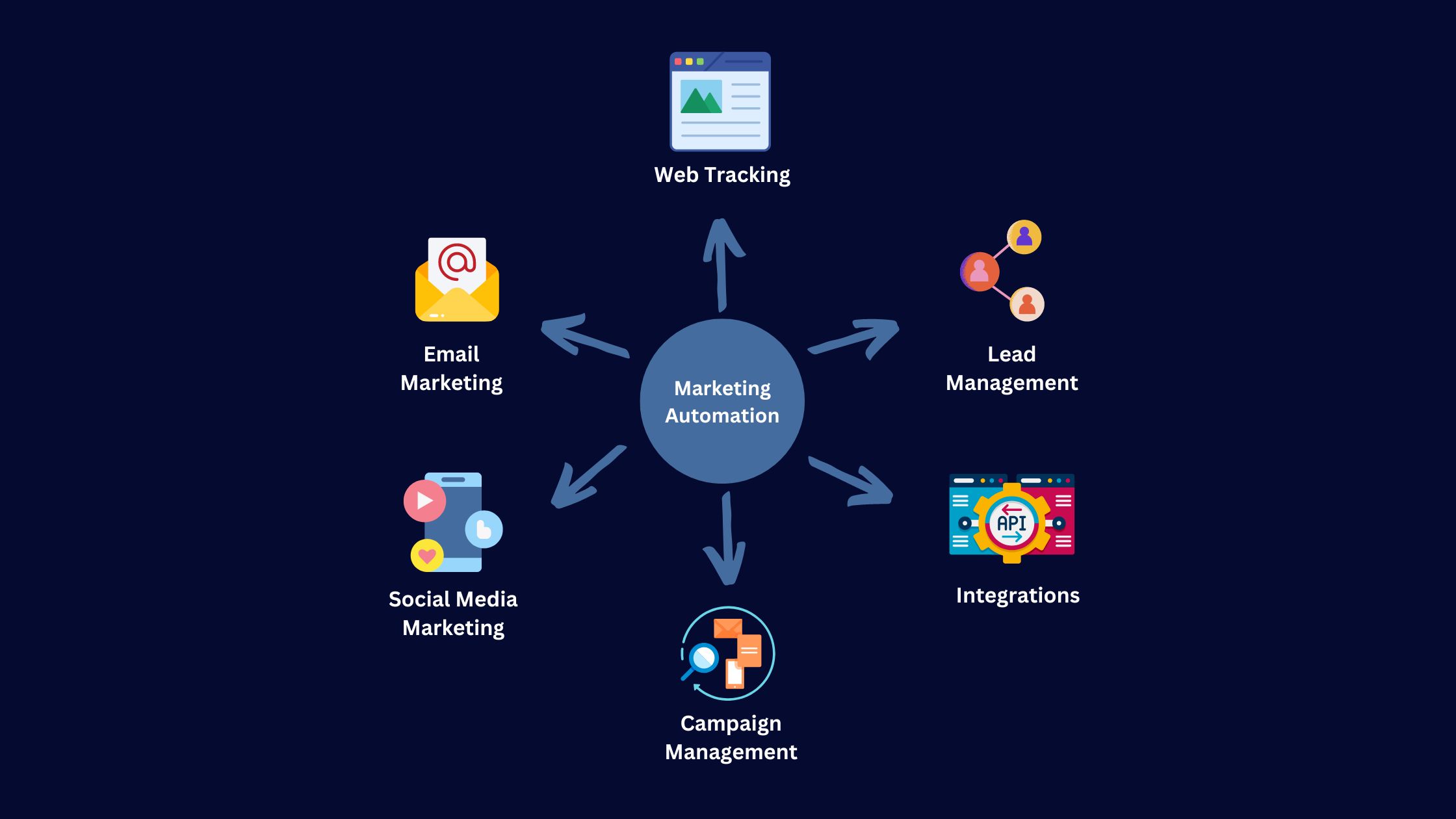
The world of CRM software with marketing automation is rapidly evolving, setting the stage for a transformative future in business marketing strategies. Businesses aiming to stay competitive must keep a close eye on these emerging trends.
As technology continues to advance, CRM systems are becoming more sophisticated, integrating cutting-edge features that promise to redefine how companies interact with their customers and execute marketing campaigns.
Artificial Intelligence and Machine Learning Integration
The integration of artificial intelligence (AI) and machine learning (ML) into CRM software is a trend that is gaining momentum. These technologies are enabling more personalized customer interactions and predictive analytics.
- AI-driven insights for better decision-making
- Automated customer segmentation and targeting
- Enhanced predictive analytics for sales forecasting
Such advancements are not just enhancing CRM functionalities but also allowing businesses to design marketing strategies that are more efficient and effective.
Omnichannel Customer Engagement
The future of CRM is leaning heavily towards omnichannel engagement, ensuring customers have a seamless experience across various platforms such as social media, email, and direct messaging. This approach provides a cohesive customer journey, tailored to individual preferences and behaviors.
By leveraging omnichannel strategies, businesses can:
- Increase customer satisfaction and retention
- Gain a comprehensive view of customer interactions
- Optimize marketing campaigns for multiple channels simultaneously
Omnichannel engagement is expected to become a standard requirement in CRM systems, further blurring the lines between marketing and customer service.
Advanced Data Analytics and Personalization
As we look to the future, the ability to harness advanced data analytics for hyper-personalization will be a game-changer in CRM software. Businesses will need to utilize these capabilities to tailor their offerings and communications based on deep insights derived from customer data.
This trend will lead to:
- Improved customer experiences and loyalty
- Higher conversion rates through targeted marketing
- Efficient allocation of marketing resources
Advanced analytics will empower businesses to anticipate customer needs and deliver solutions proactively, thereby shaping more dynamic and responsive marketing strategies.
Integration with Internet of Things
The Internet of Things (IoT) is set to revolutionize CRM software by providing real-time data and insights from connected devices. This integration will allow for more accurate customer profiling and a new level of interactivity in marketing automation.
Businesses leveraging IoT within their CRM systems can:
- Monitor product usage and customer behavior in real-time
- Offer proactive support and maintenance services
- Create innovative, data-driven marketing campaigns
IoT integration promises to expand the potential of CRM systems, offering unprecedented opportunities for customer engagement and operational efficiency.
Embracing these trends will be crucial for businesses aiming to harness the full potential of CRM systems with marketing automation, ultimately driving growth and innovation in a competitive market.
Last Word

In the ever-evolving digital age, coupling CRM software with marketing automation is not just an option—it’s a necessity. As we navigate the future, embracing these technologies will not only enhance your customer engagement but also ensure sustained business success. The time for transformation is now. Step into this future-ready approach and watch as your marketing efforts transcend traditional boundaries, paving the way for a more connected, efficient, and prosperous business landscape.