In today’s increasingly digital world, remote work has become the norm rather than the exception. As teams are dispersed across different locations, maintaining seamless communication and collaboration can be a daunting task. Enter CRM software—a game-changer that revolutionizes how remote teams interact, cooperate, and thrive in a virtual environment. Imagine a tool that not only bridges gaps but elevates your team’s productivity and cohesion to unprecedented heights. Yes, it’s possible with CRM software.
Picture this: a central hub where every team member, regardless of their location, is connected and engaged. CRM software is not just a tool, but a catalyst that transforms remote work challenges into opportunities. It empowers teams to communicate efficiently, track performance accurately, and maintain productivity levels that keep businesses competitive. Through its innovative features, CRM software ensures that your remote team isn’t just surviving, but truly excelling.
Benefits of CRM Software for Remote Team Collaboration
In the era of digital transformation, CRM software is revolutionizing how remote teams collaborate effectively, breaking down geographical barriers with seamless communication and productivity tools.
Empowering remote teams with a robust CRM system not only enhances communication but also fosters a collaborative environment where productivity thrives and performance is easily trackable.
Enhancing Communication Among Remote Teams
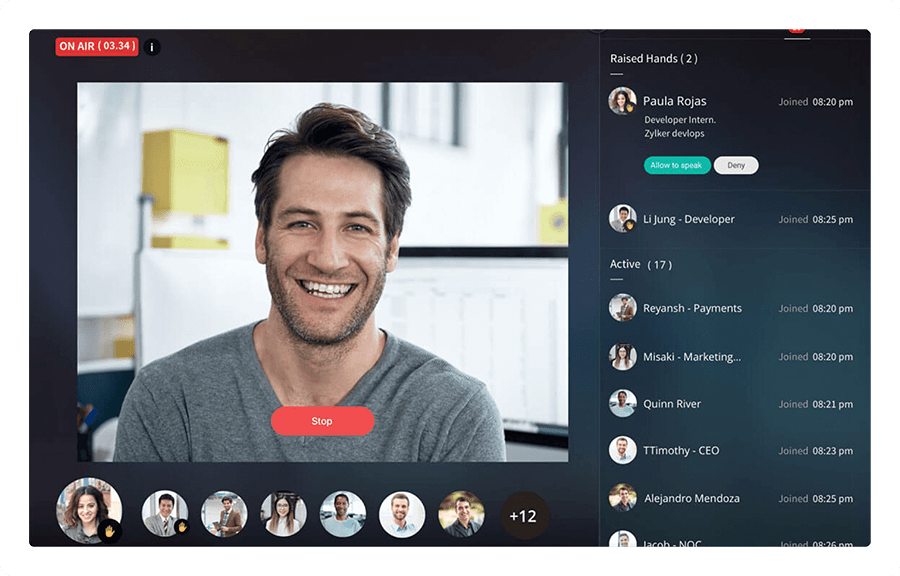
CRM software acts as a centralized hub that transforms fragmented communications into a cohesive flow. With features like real-time chat and video conferencing integrations, teams can engage in meaningful discussions and make decisions swiftly, no matter where they are located. This leads to clearer communication, reducing misunderstandings and ensuring everyone is on the same page.
The Role of CRM in Maintaining Team Productivity
Maintaining high productivity levels in a remote setting can be challenging, but CRM solutions streamline workflows by automating routine tasks, allowing teams to focus on more strategic initiatives. Automated reminders, task assignments, and deadline tracking ensure that projects remain on course, boosting efficiency and ensuring that goals are met consistently.
Tracking Team Performance
CRM software offers powerful analytics tools that track team performance with precision. By providing insights into individual and team activities, managers can monitor productivity patterns and identify areas needing improvement. Dashboards and performance metrics offer a transparent view of contributions, fostering a culture of accountability and continuous improvement.
- Automated performance reports
- Customizable dashboards
- Goal tracking and progress visualization
CRM Features that Support Remote Work
Several CRM features are specifically designed to cater to remote work environments, ensuring that teams remain productive and connected:
- Mobile access: Stay connected on the go with CRM mobile apps.
- Cloud storage: Securely store and access documents from anywhere.
- Task management: Prioritize and assign tasks effortlessly.
- Integration capabilities: Seamlessly connect with other productivity tools.
Essential Features of CRM Software for Remote Teams
In today’s fast-paced world, remote teams thrive on the backbone of robust CRM software that keeps them interconnected and efficient. But what makes CRM software indispensable for remote collaboration?
The heart of effective remote teamwork lies in seamless communication, task management, and real-time data sharing. CRM systems equipped with these capabilities not only enhance productivity but also foster a collaborative environment without the constraints of physical boundaries.
Key Collaborative Features
At the core of a remarkable CRM is a set of features designed to boost team synergy and ensure that everyone, irrespective of their location, remains in the loop.
- Real-Time Communication Tools: Enable instant messaging, video conferencing, and discussions to mimic in-office interactions.
- Task and Project Management: Assign tasks, set deadlines, and track project progress all within a single platform.
- Data Sharing and Storage: Securely store and share documents, files, and key information with team members.
- Comprehensive Analytics: Offer insights into team performance and customer interactions to drive informed decisions.
- Mobile Accessibility: Access CRM tools on-the-go through mobile apps, ensuring constant connectivity.
Importance of Integration Capabilities
The capability of a CRM to integrate with other tools and platforms is vital for remote teams. Such integrations eliminate redundancy and streamline workflows by synchronizing data across various applications.
“A CRM that plays well with others is a CRM that plays well with you.”
CRM Software Comparison Based on Collaborative Tools
Choosing the right CRM can be daunting, but by examining their collaborative tools, businesses can find the perfect match for their remote teams.
| CRM Software | Communication Tools | Task Management | Integration Capabilities |
|---|---|---|---|
| CRM A | Chat, Email | Kanban, Gantt Charts | 500+ Apps |
| CRM B | Video Conferencing, Messaging | Task Lists, Calendar Sync | 300+ Apps |
| CRM C | Internal Forums, Chat | Sprint Planning, Time Tracking | 700+ Apps |
Implementing CRM Software for Remote Teams
In today’s distributed work environment, implementing CRM software for remote teams can be a game-changer. With the right approach, you can empower your team to collaborate seamlessly and achieve unprecedented productivity.
But how do you effectively implement CRM software for remote teams? Let’s dive into the essentials and discover best practices, step-by-step setup procedures, and solutions to common challenges.
Best Practices for Implementing CRM Systems in Remote Work
Successfully implementing CRM software in a remote setting requires strategic planning and execution. Here are some best practices to guide the process:
- Engage Stakeholders Early: Involve key team members in the decision-making process to ensure the CRM system aligns with your team’s needs and goals.
- Provide Comprehensive Training: Ensure all users receive thorough training to maximize the CRM’s potential and minimize resistance to change.
- Integrate with Existing Tools: Choose CRM software that integrates well with the tools your team already uses to streamline workflows and avoid disruptions.
- Prioritize Data Security: Implement robust security measures to protect sensitive information, especially when team members access the CRM remotely.
Step-by-Step Procedure for Setting Up CRM for Remote Teams
Setting up CRM software for your remote team doesn’t have to be daunting. Follow these steps to ensure a smooth implementation:
- Define Objectives: Clearly articulate the goals you aim to achieve with the CRM system, whether it’s improving customer service, sales tracking, or team collaboration.
- Select the Right CRM: Evaluate different CRM options based on your team’s specific needs and budget. Consider factors like features, scalability, and user-friendliness.
- Customize for Your Team: Tailor the CRM software to your team’s workflows by customizing fields, dashboards, and permissions.
- Test Before Launch: Conduct a pilot test with a small group of users to identify any issues or adjustments needed before a full rollout.
- Full Deployment: Roll out the CRM system to the entire team, ensuring everyone has access and knows how to use the software effectively.
Potential Challenges in CRM Implementation and Solutions
Implementing a new CRM system can come with its fair share of challenges, but with proactive approaches, these can be effectively managed:
| Challenge | Solution |
|---|---|
| Resistance to Change | Engage team members early and provide ongoing training to address concerns and build confidence. |
| Data Migration Issues | Plan a phased data migration strategy and use data cleaning tools to ensure a smooth transition. |
| Technical Difficulties | Leverage customer support and involve IT experts to address technical issues promptly. |
Customizing CRM Software for Specific Remote Team Needs
Customization is key to ensuring that the CRM system truly serves your remote team’s needs and enhances productivity:
Leverage Custom Fields: Create custom fields to capture specific data points relevant to your team’s processes and objectives.
Design Tailored Dashboards: Develop dashboards that provide instant access to critical metrics and reports, keeping the team informed and aligned.
Configure Role-Based Permissions: Set up permissions based on roles to ensure team members access only the data necessary for their tasks, enhancing security and focus.
“Customization transforms your CRM from a tool into a strategic asset.”
Case Studies of Successful CRM Use in Remote Teams
In today’s digital age, remote teams are harnessing the power of CRM tools to not just survive, but thrive. Let’s explore how some companies have revolutionized their remote collaboration through clever CRM implementations.
These case studies reveal innovative strategies and tangible results, showing that with the right approach, CRM can significantly enhance remote team dynamics.
Innovative Approaches to CRM in Remote Settings
One notable example is Syncrosys Solutions, a tech firm that successfully integrated CRM to streamline their remote operations. By customizing their CRM system to align with their project management tools, Syncrosys enabled real-time communication and data sharing among team members scattered across the globe. This integration was crucial in reducing project turnaround times and enhancing productivity.
Meanwhile, EcoMarket, a startup focused on sustainable products, used CRM to enhance their customer service operations. Through CRM, they could track customer interactions and preferences in detail, allowing their remote team to personalize responses and foster closer customer relationships.
Outcomes and Improvements from CRM Implementation
The benefits experienced by these companies were not just anecdotal. They reported significant improvements in various areas, showcasing the transformative potential of CRM when used effectively by remote teams.
| Company | Key Improvement | Outcome |
|---|---|---|
| Syncrosys Solutions | Project Management Integration | 30% reduction in project turnaround time |
| EcoMarket | Enhanced Customer Interaction | 20% increase in customer satisfaction scores |
“By leveraging CRM tools, companies can turn geographical distances into strategic advantages, unlocking unprecedented levels of collaboration and efficiency.”
These case studies underscore the value of tailoring CRM systems to meet the specific needs of remote teams. By doing so, companies can overcome the challenges of distance and create a cohesive, efficient, and motivated workforce.
Trends in CRM Software for Remote Collaboration
The ever-evolving landscape of remote work has driven significant changes in CRM software, making it more crucial and innovative than ever.
The integration of cutting-edge technologies ensures that remote teams remain connected, efficient, and productive, all while maintaining a seamless customer experience.
Technological Advancements in CRM for Remote Teams
As remote work becomes the new norm, CRM software is swiftly adapting to meet the unique demands of dispersed teams. The integration of AI and machine learning allows for predictive analytics, helping teams anticipate customer needs and enhance service delivery. Furthermore, cloud-based solutions ensure that team members can access the CRM system from anywhere, boosting collaboration and flexibility.
Emerging CRM Tools and Their Unique Features
The market is saturated with innovative CRM tools tailored for remote work. Each tool offers distinct features designed to enhance team collaboration and customer interaction.
- HubSpot CRM: Offers a user-friendly interface with integrated email tracking and automation features.
- Monday.com: Known for its customizable dashboards and project management capabilities.
- Zoho CRM: Provides a range of customization options and AI-driven analytics.
- Salesforce: A pioneer in the industry, offering comprehensive integration options and advanced analytics.
- Asana CRM: Combines task management with CRM functionalities, ideal for project-focused teams.
The Future of CRM Software in Remote Work Dynamics
As remote work continues to evolve,
“The CRM industry is poised to witness unprecedented growth and transformation.”
The future of CRM software will likely see an increased emphasis on virtual reality (VR) and augmented reality (AR) to foster a more immersive collaboration experience. Additionally, the shift towards a more customer-centric approach will lead to CRM systems that leverage comprehensive data analytics to enhance customer engagement strategies.
Security and Privacy Considerations for CRM in Remote Teams
In the bustling world of remote work, ensuring the security and privacy of CRM software is not just a necessity; it’s a mandate. As teams collaborate across continents, maintaining the confidentiality and integrity of customer data becomes paramount.
Remote teams face unique challenges when it comes to data protection. The risk of unauthorized access, data breaches, and compliance issues are amplified when collaboration occurs over the internet. Thus, integrating robust security features into CRM systems is crucial to safeguard customer information and build trust.
Importance of Robust Security Features
Security features in CRM software are the first line of defense against cyber threats. Strong encryption protocols ensure that data is accessible only to authorized users, while multi-factor authentication (MFA) adds an extra layer of protection. Additionally, automatic security updates keep the system fortified against new vulnerabilities.
Ensuring Data Privacy Remotely
To protect data privacy when using CRM systems remotely, businesses should implement stringent access controls. Limiting access to sensitive data based on user roles can prevent unauthorized exposure. Encryption not only secures data in transit but also safeguards it at rest. Regular audits and compliance checks ensure adherence to privacy standards.
Compliance with Data Protection Regulations
CRM software must align with data protection regulations like GDPR or CCPA to avoid severe penalties. This involves implementing consent management features, which enable users to control their data preferences easily. A transparent privacy policy that clearly artikels how data is collected, used, and shared further demonstrates compliance.
Examples of CRM Security Features
Exploring specific security features in CRM systems can offer insights into their capabilities:
| Feature | Description | Benefit |
|---|---|---|
| Encryption | Converts data into a secure format | Protects data from unauthorized access |
| Multi-factor Authentication | Requires two or more verification methods | Adds an extra layer of security |
| Role-Based Access Control | Restricts system access based on user roles | Minimizes exposure of sensitive information |
| Automatic Security Updates | Regularly updates software to patch vulnerabilities | Keeps the system protected from new threats |
“In the realm of remote collaboration, security isn’t just a feature; it’s a commitment to trust and integrity.”
Summary
As the workplace continues to evolve, CRM software stands at the forefront of shaping a future where remote teams are more connected and productive than ever. The stories of successful CRM implementations are not just anecdotes; they are blueprints showing what’s possible when technology meets creativity and strategy. Embrace CRM software, and watch as it transforms your team’s remote collaboration into a seamless, efficient, and rewarding experience. With the right CRM tools, your team is not just working remotely—they’re working smartly.